
Main page content
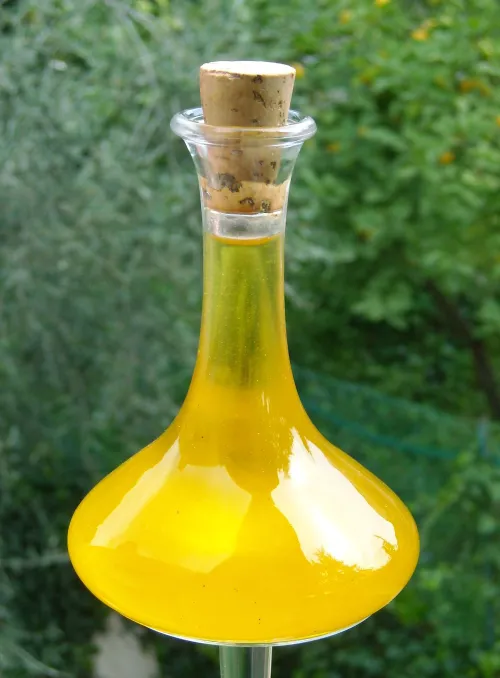
Olive oil (Olea europaea) has been used as food, medicine, and skin care for over 6,000 years — arguably the oldest continuously used skincare ingredient in the Western world. From ancient Greek athletes who anointed their entire bodies before competition to the elaborate skin preparations of Roman bathers, olive oil has been central to Mediterranean traditions of health and beauty. Its modern research profile confirms what millennia of use already established: it is one of the most nourishing, anti-inflammatory, and skin-compatible oils in nature.
Key Benefits of Olive Oil
- Oleocanthal — a phenolic compound unique to extra virgin olive oil — is a potent natural COX inhibitor with anti-inflammatory activity comparable to ibuprofen at therapeutic concentrations. (PubMed reference)
- Exceptionally rich in oleic acid (omega-9) — the dominant fatty acid of the skin's own sebum — enabling deep penetration, barrier reinforcement, and lasting hydration.
- High in Vitamin E (alpha-tocopherol), squalene, and polyphenols — antioxidants that protect skin cells from premature aging and environmental damage.
- Provides anti-inflammatory skin relief — used topically for centuries to soothe sunburn, eczema, psoriasis, and inflammatory skin conditions.
- Contains squalene — a lipid naturally found in skin sebum that deeply moisturizes, supports the skin barrier, and has natural antioxidant properties.
- One of the best-studied wound-healing agents in traditional medicine — olive oil and preparations based on it have been used to treat wounds, burns, and ulcers continuously for 6,000 years.
- The cornerstone of Mediterranean longevity and health — the anti-inflammatory and antioxidant properties of olive consumption are mirrored by its topical benefits.
Olive oil is not an ingredient — it is a heritage. Six thousand years of therapeutic use across every Mediterranean civilization, now validated by modern phytochemistry. Its anti-inflammatory potency, skin-compatible lipid profile, and extraordinary antioxidant depth make it a timeless foundation of natural skincare.
Traditional Chinese Medicine (TCM) Perspective
Olive (Qīng Guǒ, 青果 / Gǎn Lǎn, 橄榄) has been used in Chinese medicine for over 1,500 years, primarily for its ability to clear Heat, generate fluids, and soothe the throat. Olive oil's external applications are recognized in both classical and modern Chinese medicine.
- Chinese Name: Gan Lan (橄榄) — Olive; Gan Lan You (橄榄油) — Olive Oil
- Nature & Flavor: Neutral to slightly cool; Sweet, Sour, slightly Astringent
- Meridians Entered: Lung, Stomach
- Key TCM Actions: Clears Heat and resolves toxicity, generates Body Fluids, relieves sore and swollen throat, harmonizes the Stomach, lubricates the Lung and Large Intestine, nourishes and conditions the skin externally.
In TCM's dietary medicine tradition, olive fruit is prescribed for acute sore throat, heat-pattern digestive disturbances, and alcohol intoxication (due to its detoxifying, fluid-generating action). Applied externally, olive oil's monounsaturated fat profile nourishes the skin in a way TCM would describe as "generating fluids at the skin surface and reinforcing the Wei Qi barrier" — the protective energetic layer that maintains skin integrity and prevents pathogenic penetration.
The PREDIMED trial (Estruch et al., 2013; N=7,447) demonstrated that supplementing with 50 ml extra-virgin olive oil per day reduced major cardiovascular events by 30 %. The polyphenol oleocanthal — responsible for the throat "sting" of high-quality EVOO — has ibuprofen-equivalent COX inhibition at the doses used in PREDIMED. Heating above 180 °C oxidises these polyphenols significantly; light sautéing (up to 160 °C) is safe.
Mediterranean Anti-Inflammatory Drizzle
- 2 tbsp (30 ml) high-polyphenol EVOO — first cold press, less than 18 months from pressing date, stored in dark glass.
- 1 tbsp red wine vinegar or lemon juice + pinch of dried oregano + sea salt + 1 crushed garlic clove.
- Dress salad greens, grilled vegetables, or drizzle over warm (not hot) food just before eating.
- Add a second 2 tbsp (30 ml) drizzle over cooked grains or legumes for the full PREDIMED daily dose.
Research note: Look for a "harvest date" not just a "best before" date — polyphenol content drops sharply after 18 months. The pungent, peppery, throat-stinging sensation when consuming high-quality EVOO is oleocanthal — the more it stings, the higher the polyphenol content. "Light" olive oil has been refined and contains essentially no therapeutic polyphenols.
Before you use this: Extra-virgin olive oil is among the most extensively studied and safest dietary fats known. The primary practical cautions: it is calorie-dense (120 cal/tbsp) — those carefully managing caloric intake should account for this. Olive oil adulteration is widespread; purchase only certified-origin EVOO with a harvest date, ideally from a specialist importer. A rare olive allergy exists. Very high daily amounts may mildly enhance the effect of anticoagulant medications — maintain consistent intake if on warfarin rather than dramatically varying it. The information on this page is for educational purposes only and does not constitute medical advice. Every person's health is unique — before incorporating any herb or botanical into your routine, especially if you are pregnant, nursing, managing a health condition, or taking prescription medications, please consult a qualified integrative health professional.


