
Main page content
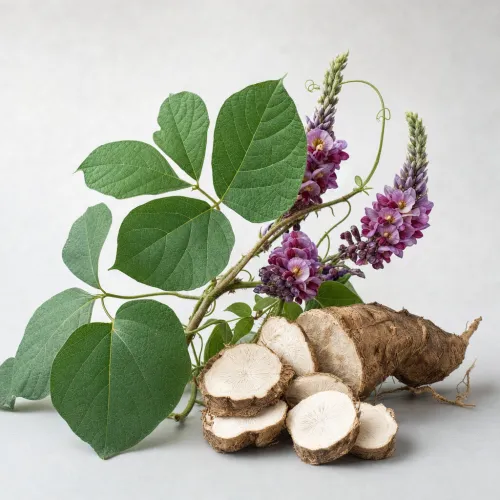
Kudzu (Pueraria montana var. lobata) is the fast-climbing vine famous in the American South for covering whole hillsides. In East Asia its starchy root has been medicine and food for thousands of years — the root is Gé Gēn in Chinese medicine and kuzu in Japanese cooking.
Key Benefits of Kudzu
- Rich in isoflavones, especially puerarin, studied for circulation and heart health.
- Traditionally used for stiff neck and shoulders, headaches and thirst.
- Its flower and root have a long tradition for easing hangovers and studied for reducing the urge to drink alcohol.
- Kuzu starch soothes and settles an upset gut.
The vine that the South calls a weed is one of Asia's most respected root medicines.
Traditional Chinese Medicine (TCM) Perspective
- Chinese Name: Gé Gēn (葛根)
- Nature & Flavor: Cool; Sweet, Pungent
- Meridians Entered: Spleen, Stomach
- Key TCM Actions: Releases the muscles (especially a stiff upper back and neck), generates fluids and relieves thirst, vents rashes, raises the clear Yang to stop diarrhoea.
Gé Gēn is a key herb in the classical formula Gé Gēn Tāng, written down nearly 2,000 years ago in the Shāng Hán Lùn for colds with a stiff neck. It is also a classic herb for Xiāo Kě, the wasting-and-thirsting pattern linked to blood-sugar imbalance.
- 1–2 tsp dried root simmered 15 minutes in 300 ml water.
Before you use this: Kudzu contains plant oestrogens — use with care if you have a hormone-sensitive condition. It may lower blood sugar and affect blood thinners. Avoid during pregnancy. The information on this page is for educational purposes only and does not constitute medical advice. Every person's health is unique — before incorporating any herb or botanical into your routine, especially if you are pregnant, nursing, managing a health condition, or taking prescription medications, please consult a qualified integrative health professional.

Share this with your friends 🙏


