
Main page content
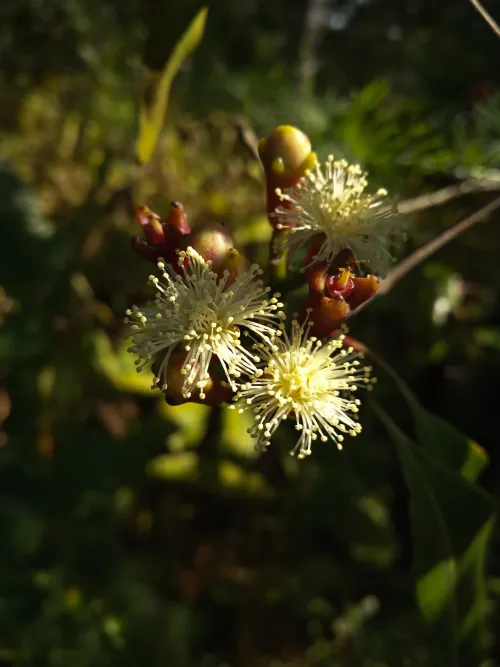
Clove bud (Syzygium aromaticum) refers specifically to the dried, unopened flower buds of the clove tree — the most valued and carefully harvested part of the plant. Steam distillation of clove buds produces an essential oil with the finest balance of eugenol, eugenyl acetate, and β-caryophyllene, giving it a rounder, more complex aromatic profile than leaf or stem oil, and a slightly more nuanced therapeutic action.
Key Benefits of Clove Bud
- Contains a refined ratio of eugenol (70-90%), eugenyl acetate, and β-caryophyllene — a trio of active compounds with analgesic, anti-inflammatory, and antifungal activity, each supporting and modulating the others.
- β-Caryophyllene is a dietary cannabinoid — it selectively binds CB2 receptors in the endocannabinoid system, producing anti-inflammatory effects without psychoactivity. (PubMed reference)
- Considered the highest-quality clove oil for cosmetic and therapeutic use — its refined aromatic profile is warm, spicy, and slightly sweet without harshness.
- One of nature's most potent topical analgesics — clove bud oil numbs and relieves localized pain with measurable effect in dental, muscular, and joint applications.
- Extraordinary antioxidant capacity — among the single highest ORAC values of any known botanical substance.
- Widely used in aromatherapy for mental fatigue and focus — its stimulating, warm spice scent improves alertness and clears mental fog.
- A masterful companion ingredient in warming formulas — its analgesic depth complements the circulatory action of cayenne, ginger, and camphor beautifully.
Clove bud oil is the preferred professional choice for skilled natural formulators — its refined potency, complex aroma, and multi-mechanism therapeutic action make it a true apex botanical for pain, warmth, and antimicrobial work.
Traditional Chinese Medicine (TCM) Perspective
The clove bud is the primary form of Dīng Xiāng (丁香) used in the classical pharmacopoeia. The unopened bud concentrates the highest levels of eugenol and the herb's warming Yang-tonifying properties.
- Chinese Name: Ding Xiang (丁香) — Clove Bud
- Nature & Flavor: Warm; Pungent
- Meridians Entered: Stomach, Kidney, Spleen
- Key TCM Actions: Strongly warms the middle Jiao, descends rebellious Stomach Qi, tonifies Kidney Yang, disperses Cold, relieves pain.
In TCM's classification of warming herbs, Ding Xiang is unique for its simultaneous warming of three distinct organ systems: the Stomach (stopping vomiting), the Kidney (tonifying Yang), and the channels (relieving pain). This triple action makes it exceptionally valuable in compound formulas. Topically, its eugenol content delivers direct analgesic and antimicrobial effects through the classical TCM mechanism of "dispersing Wind-Cold from the flesh and channels."
The unopened bud is the highest-eugenol form of clove (up to 18 % eugenol by weight versus 5–12 % in mature cloves). Studies on clove bud specifically show superior antimicrobial and antifungal activity at lower quantities compared to other clove forms.
Clove Bud Digestive Tea
- 3 whole clove buds (approximately 300 mg total, ~50 mg eugenol) + 1 tsp fennel seeds.
- 250 ml freshly boiled water. Steep 8–10 minutes, covered.
- Strain and drink after heavy or fatty meals.
Research note: Clove bud's combination of eugenol and beta-caryophyllene simultaneously relaxes smooth muscle in the digestive tract and reduces local inflammation — the mechanism behind its classical use for bloating and spasm. Three clove buds is the optimal dose for digestive use; more than five in a single serving may cause mucosal irritation in sensitive individuals.
Before you use this: Clove buds have the highest eugenol concentration of any clove preparation. The same anticoagulant and hepatotoxic considerations as whole cloves apply, and potentially more acutely at equivalent gram doses. Limit to 3–5 buds per serving. Do not use clove bud alongside blood-thinning medications. Avoid at therapeutic doses during pregnancy. Those with known allergy to clove or eugenol-containing plants should not consume. The information on this page is for educational purposes only and does not constitute medical advice. Every person's health is unique — before incorporating any herb or botanical into your routine, especially if you are pregnant, nursing, managing a health condition, or taking prescription medications, please consult a qualified integrative health professional.


