
Main page content
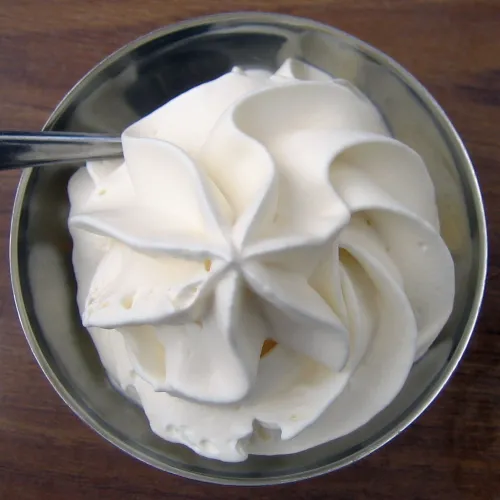
Cream — whether referring to dairy cream or the formulation base called "cream" — is one of the oldest and most universally beloved skin conditioning preparations in human history. Natural cream acts as an emollient, barrier support, and delivery vehicle for other active ingredients, with a rich, soothing texture that provides immediate comfort and lasting hydration to dry, sensitive, or reactive skin.
Key Benefits of Cream
- A natural water-in-oil or oil-in-water emulsion that delivers both surface hydration and occlusive barrier protection — the gold standard texture for dry and sensitive skin care.
- Rich in naturally occurring fatty acids and phospholipids (in dairy-based cream) that are structurally similar to the skin's own lipid barrier, promoting rapid absorption and lasting softness.
- The emollient richness of cream formulas helps reduce transepidermal water loss (TEWL) and restore the skin's natural moisture balance over time.
- Provides an ideal delivery vehicle for active botanical ingredients — the emulsion structure helps carry water-soluble and oil-soluble actives simultaneously into the skin.
- Creates a sensory experience of luxury and comfort — the smooth, cushioned texture is intrinsically soothing and associated with gentleness and care.
- Natural cream bases are free of petrolatum, synthetic emulsifiers, and parabens — a clean, whole-ingredient approach to moisturization that respects sensitive skin.
- Used since antiquity in cold creams and healing preparations — the classic apothecary cream formula has barely needed to evolve because it works so well.
Cream is the language of softness — the ingredient that transforms a preparation from medicinal to nurturing. It carries the therapeutic botanicals in this formula gently and effectively to where they are needed most, while simultaneously delivering deep, lasting comfort to the skin that receives it.
Traditional Chinese Medicine (TCM) Perspective
Dairy cream corresponds in TCM dietary therapy to a rich, tonifying, Yin-nourishing substance. Sweet, fatty foods from animal sources are understood to build Yin Essence, nourish the Spleen, and moisten dryness throughout the body — though they require a healthy Spleen to be properly transformed and utilized.
- TCM Classification: Yin and Body Fluid tonics; moistening nourishing substances
- Nature & Flavor (functional): Neutral to slightly cool; Sweet
- Meridians Entered (functional): Spleen, Stomach, Lung
- Key TCM Actions: Nourishes Yin, generates Body Fluids, moistens the Lung and Large Intestine, tonifies the Spleen and Stomach, lubricates and conditions the skin.
In classical Chinese medical diet therapy, fatty, sweet, white foods (like dairy, rice, and white sesame) are assigned to the Lung and Spleen — the two organ systems most responsible for generating and distributing body fluids to the skin. Used externally in salves and creams, dairy cream provides a vehicle that TCM would describe as "moistening the exterior, nourishing the skin Yin, and sealing the Wei Qi boundary."
Natural cream bases have been used as therapeutic delivery vehicles for centuries, and modern cosmetic science confirms their efficacy. While no single clinical trial governs "cream" as a standalone dose, dermatological research consistently demonstrates that emollient cream applied twice daily (morning and evening) to dry or compromised skin significantly reduces transepidermal water loss (TEWL) and restores barrier function within 2–4 weeks (Lodén, 2003; Draelos, 2012). For an infused healing cream, a 5–10% botanical extract concentration in the cream base is the standard therapeutic range used in published topical studies.
Simple Infused Calendula & Lavender Healing Cream
- Gently warm 120 g of a natural cream base (beeswax-emulsified, shea or cocoa butter based) in a double boiler until just softened — do not overheat.
- Stir in 1 tablespoon (approx. 10 ml) calendula-infused oil and 10–15 drops lavender essential oil slowly and evenly until fully incorporated.
- Remove from heat, continue stirring as it cools to prevent separation, then pour into a clean sterilised glass jar.
- Apply a thin, even layer to clean, dry skin morning and evening — focus on dry patches, minor irritations, or areas needing barrier support.
- Store in a cool, dry place away from direct sunlight; use within 6–8 weeks of preparation to preserve freshness and potency.
Research note: The emulsion structure of cream carries both the oil-soluble botanicals (calendula, lavender) and any water-phase actives simultaneously into the skin — far more effective than either oil or water applied alone. Avoid adding water-phase ingredients without a preservative system, as unsupported water content in a homemade cream can encourage microbial growth.
Before you use this: Natural cream bases containing dairy (milk fat or butter) may provoke reactions in individuals with dairy or lactose sensitivity — always check the full ingredient list if you have known food or skin allergies. Cream formulas, even natural ones, can become contaminated with bacteria or mould once water is introduced into the preparation; homemade infused creams should be made in small batches, stored correctly, and discarded if any change in colour, smell, or texture is observed. If you are using a cream preparation over broken, infected, or severely compromised skin, consult a healthcare professional before application. The information on this page is for educational purposes only and does not constitute medical advice. Every person's health is unique — before incorporating any herb or botanical into your routine, especially if you are pregnant, nursing, managing a health condition, or taking prescription medications, please consult a qualified integrative health professional.


