
Main page content
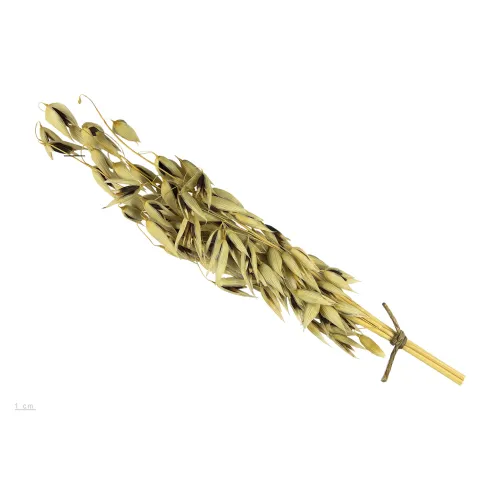
Oats (Avena sativa) have been used in topical skin care for over 2,000 years — documented by Pliny the Elder as a Roman skin remedy and used continuously across European folk medicine for soothing inflamed, irritated, and eczema-prone skin. Colloidal oatmeal (finely ground oats dispersed in water) is recognized as a skin protectant by the FDA — one of only a handful of plant-based ingredients to receive this regulatory designation based on clinical evidence.
Key Benefits of Ground Oats
- Avenanthramides — unique polyphenol alkaloids found only in oats — are potent anti-inflammatory and antipruritic compounds that significantly reduce itching, redness, and skin irritation. (PubMed reference)
- Recognized by the FDA as a skin protectant — clinical evidence supports its use for relieving eczema, psoriasis, minor burns, and insect bites.
- Contains beta-glucan, a polysaccharide that forms a protective film on the skin, deeply hydrates, and accelerates wound healing by stimulating immune response in the dermis.
- Naturally gentle exfoliant — finely ground oats physically remove dead skin cells without abrasion, leaving the skin exceptionally smooth and soft.
- Rich in lipids, proteins, and vitamins B and E — nourishes the skin comprehensively while supporting barrier function and moisture retention.
- Perfectly pH balanced for skin — its natural buffering properties help restore the skin's protective acid mantle after washing or irritation.
- Universally safe and hypoallergenic — used for babies, the elderly, and the most reactive skin conditions with consistently gentle results.
Ground oats are the embodiment of gentle effectiveness — soft, humble, and ancient, yet backed by some of the strongest clinical evidence of any natural skincare ingredient. They are the first choice for any formulation targeting inflammation, itching, or sensitive, compromised skin.
Traditional Chinese Medicine (TCM) Perspective
Oats (Yàn Mài, 燕麦) are a nourishing grain in TCM dietary therapy, valued for their ability to strengthen the Spleen, calm the Shen (spirit), and generate the Body Fluids that keep the skin supple and resilient. Ground oats used topically reflect the same Yin-nourishing, anti-inflammatory qualities.
- Chinese Name: Yan Mai (燕麦) — Oats
- Nature & Flavor: Neutral; Sweet
- Meridians Entered: Spleen, Stomach, Liver
- Key TCM Actions: Tonifies and nourishes the Spleen and Stomach, generates Body Fluids, calms the Heart Spirit, reduces Liver Heat, soothes and moistens the skin externally.
In TCM's understanding of skin health, the Spleen governs the flesh and is responsible for generating the moisture and nourishment that reach the skin's surface. Oats, as a quintessential Spleen tonic, nourish the skin from within when eaten and soothe external irritation when applied topically. Their beta-glucan content — which soothes inflammatory skin conditions — is the biochemical expression of TCM's "clearing Heat and cooling the Blood to calm the skin."
EFSA (2011) and the FDA (1997 health claim) both recognise 3 g beta-glucan per day as the minimum effective dose to reduce LDL cholesterol. Whitehead et al. (2014) meta-analysis: 3.5 g beta-glucan/day reduced LDL by 6.4 mg/dL. 80 g dry rolled oats provides approximately 3–4 g beta-glucan. Overnight soaking increases beta-glucan solubility by 30–40 % compared to instant cooking (Tosh et al., 2010).
Beta-Glucan-Maximising Overnight Oats
- 80 g rolled oats (not instant — processing shortens the beta-glucan polymer and reduces activity) in 250 ml cold water + 250 ml milk of choice.
- Soak covered in the fridge overnight (8+ hours).
- Top with: 1 tbsp ground flaxseed + ½ tsp Ceylon cinnamon + handful of fresh berries + 1 tbsp almond butter.
- Eat cold or briefly warmed — do not boil soaked oats.
Research note: "Instant oats" have been pre-cooked and rolled thinner, which mechanically degrades beta-glucan polymer length. Only rolled (old-fashioned) or steel-cut oats preserve full polymer integrity. The overnight soak is not just convenience — it measurably increases the soluble beta-glucan fraction available to bind bile acids in the intestine, which is the mechanism behind oats' cholesterol-lowering effect.
Before you use this: Oats are not suitable for people with coeliac disease unless the product is certified gluten-free — oats are frequently cross-contaminated with wheat, barley, and rye during processing. Even gluten-free-labelled oats can trigger reactions in a small subset of coeliac patients sensitive to avenin (oat protein). Oat beta-glucan slows gastric emptying and may delay absorption of oral medications — take prescribed medications at least 1–2 hours before or after eating oats. Rare oat allergy exists. The information on this page is for educational purposes only and does not constitute medical advice. Every person's health is unique — before incorporating any herb or botanical into your routine, especially if you are pregnant, nursing, managing a health condition, or taking prescription medications, please consult a qualified integrative health professional.


