
Main page content
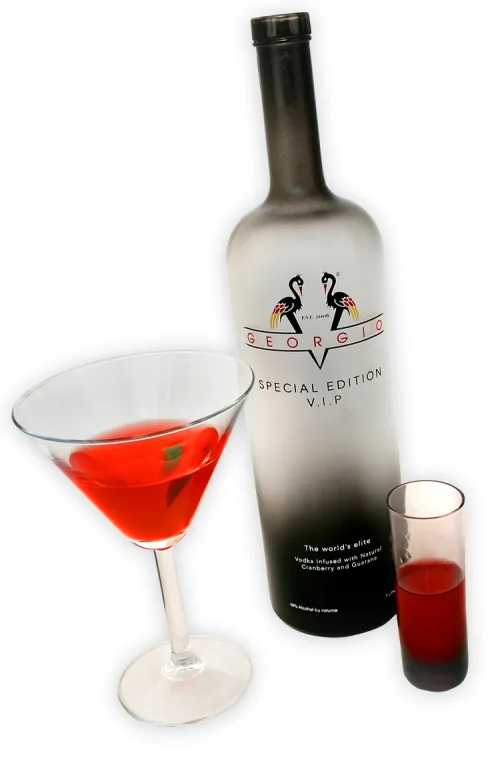
Vodka — a high-proof, relatively pure ethanol solution — serves a specific and important role in botanical formulation as a solvent, tincture base, and natural preservative. The use of alcohol-based plant extractions predates distillation technology in Western Europe by thousands of years; fermented beverages were used as medicinal solvents in ancient Egypt, Greece, and the Arab world. In modern natural formulation, high-quality neutral vodka provides a clean, effective medium for extracting and preserving bioactive plant compounds.
Key Benefits of Vodka in Formulations
- Serves as an excellent botanical extraction solvent (menstruum) — ethanol at 40-50% proof efficiently extracts a broad range of bioactive plant compounds including alkaloids, glycosides, flavonoids, and resins that water alone cannot dissolve.
- Provides natural antimicrobial preservation — the ethanol content inhibits bacterial, fungal, and viral contamination, extending the shelf life of botanical preparations without synthetic preservatives. (PubMed reference)
- Creates the traditional herbal tincture — the oldest and most time-proven format for concentrated, stable, bioavailable botanical medicine used by herbalists worldwide.
- Offers rapid skin absorption when used in sprays and spritzers — ethanol evaporates quickly, delivering dissolved active compounds to the skin surface efficiently.
- Acts as a natural astringent and toner in appropriate dilutions — tightening pores, refreshing skin, and contributing to a clean, mattified finish.
- Clean, neutral odor profile compared to other alcohol types — high-quality vodka minimally impacts the aromatic profile of botanical preparations it is used in.
- Connects to the apothecary tradition of tincture-making — the same method used by herbalists for centuries to create potent, reliable, and storable botanical medicines.
Vodka is the honest solvent — plain, purposeful, and effective. Its role in botanical formulation is ancient and well-understood: to extract, preserve, and deliver the healing power of plants in the most reliable and natural way available to the craft of herbal medicine.
Traditional Chinese Medicine (TCM) Perspective
Alcohol (Jiǔ, 酒) holds a recognized and significant role in TCM — both as a medicine itself and as the most important processing medium in the herbal pharmacopoeia. Grain-based spirits like vodka are directly related to the classical use of Bái Jiǔ (白酒 — Chinese grain spirit) in herbal processing and formulation.
- Chinese Name: Jiu (酒) — Alcoholic Spirit; Bai Jiu (白酒) — Clear Grain Spirit
- Nature & Flavor: Warm; Pungent, Sweet, Bitter
- Meridians Entered: Heart, Liver, Lung, Stomach
- Key TCM Actions: Invigorates Blood and promotes circulation throughout the channels, disperses Cold, guides medicinal substances into the channel system (carrier role), opens the channels and collaterals, warms Yang and expels interior Cold.
The classical TCM practice of alcohol-extracting herbs (jiǔ pào, 酒泡 — soaking in wine/spirits) is one of the oldest pharmaceutical techniques in Chinese medicine. Alcohol "carries" herbal constituents into the Blood and deep channel system more rapidly than water decoctions. In tincture preparations, the vodka serves the classical role of jiǔ zhì (酒制 — wine-processing): a recognized TCM processing method that enhances the Blood-invigorating, channel-opening properties of herbs processed in this medium.
Herbalists traditionally prepare tinctures at a 1:5 ratio (1 part dried herb to 5 parts menstruum by weight/volume) using 40–50% ABV vodka, which efficiently extracts a broad spectrum of bioactive constituents. A standard therapeutic dose of a finished tincture is typically 2–4 ml (40–80 drops) taken 2–3 times daily, though this varies significantly by herb and indication. Alcohol-based tinctures have been shown to extract and preserve alkaloids, glycosides, and flavonoids more effectively than water alone, with shelf stability commonly cited at 3–5 years when stored correctly.
Classic Herbal Tincture — Vodka Menstruum Method
- Weigh out 100 g of dried herb (e.g. echinacea root, valerian, or calendula flowers) and place into a clean, sterilised wide-mouth glass jar.
- Pour 500 ml of 80-proof (40% ABV) vodka over the herb, ensuring all plant material is fully submerged by at least 2–3 cm of liquid. Seal the jar tightly.
- Label with the herb name, vodka proof, date started, and intended completion date. Store in a cool, dark location for 4–6 weeks, shaking the jar once daily to encourage extraction.
- After the maceration period, strain the liquid through a fine-mesh strainer lined with cheesecloth, pressing the marc firmly to recover all menstruum. Compost the spent plant material.
- Bottle the finished tincture in dark amber glass dropper bottles, label clearly with herb, date, and dosage, and store away from heat and light.
Research note: 40–50% ABV vodka is the optimal proof range for most dried herbs — higher proof (60–70% ABV) is preferable for resins and high-resin roots such as kava or osha; fresh plant material tinctures benefit from higher proof (60–70% ABV) to account for the plant's own water content. Do not use rubbing alcohol or denatured alcohol — food-grade ethanol only.
Before you use this: Vodka used in these formulations functions as a botanical solvent and tincture base — it is not intended for recreational beverage consumption, and finished tinctures at standard 2–4 ml doses deliver only trace amounts of alcohol. However, individuals with alcohol use disorder, liver disease, or those taking metronidazole, disulfiram, or other medications with known alcohol interactions should avoid alcohol-based tinctures entirely and opt for glycerite or water-based extractions instead. Topical preparations containing ethanol may cause dryness or irritation on sensitive, broken, or compromised skin — discontinue use if irritation occurs. Alcohol-based tinctures are not appropriate for children under 12 without guidance from a qualified practitioner, and should be avoided during pregnancy and breastfeeding unless specifically directed by a healthcare provider. The information on this page is for educational purposes only and does not constitute medical advice. Every person's health is unique — before incorporating any herb or botanical into your routine, especially if you are pregnant, nursing, managing a health condition, or taking prescription medications, please consult a qualified integrative health professional.


