Main page content
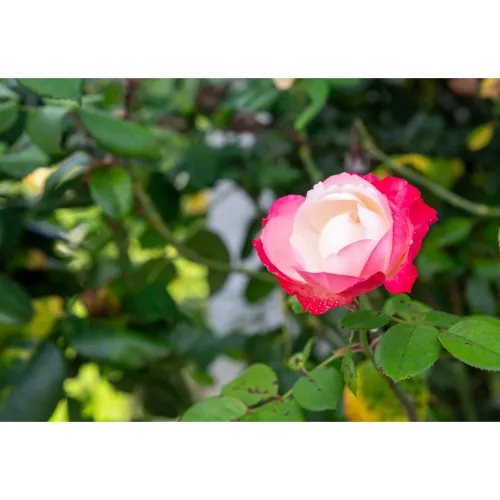
Rose petals — particularly from Rosa damascena (the Damask rose) and Rosa centifolia (the cabbage rose) — are the original botanical beauty preparation. Used in preparations by ancient Egyptian, Greek, Roman, and Persian physicians and cosmeticians, dried rose petals and their distilled waters have been treating skin, wounds, and emotional distress for millennia. The petals concentrate the same complex phenolic compounds found in rose oil, but in a gentler, more accessible whole-plant form.
Key Benefits of Rose Petals
- Rich in quercetin, kaempferol, and other flavonoids — anti-inflammatory, antioxidant compounds that soothe reactive skin, protect against UV damage, and support even, healthy skin tone. (PubMed reference)
- Contain tannins and natural astringents — gently toning the skin, tightening pores, and reducing excess oil while maintaining the skin's natural moisture balance.
- Provide the same gallic and ellagic acid content as concentrated rose oil, but in a gentle whole-flower form ideal for sensitive, reactive, or mature skin.
- Traditional rose petal poultices and washes have been used in wound care across Mediterranean and Middle Eastern medicine — their mild antiseptic and anti-inflammatory properties support healing.
- Infused in carrier oils, rose petals impart their color, fragrance, and phytochemicals — creating beautifully natural preparations with both therapeutic and aesthetic character.
- The presence of rose petals in a formulation is immediately emotionally resonant — their visual beauty, delicate texture, and incomparable scent evoke love, tenderness, and the finest expression of natural beauty.
- Used in the tradition of floral baths — the ancient practice of bathing in rose-steeped water for skin beauty and emotional restoration that continues in hammam and spa traditions to this day.
Rose petals bring whole-flower wisdom to skincare — every petal a complete botanical preparation in miniature, contributing its tannins, flavonoids, and fragrance to create preparations that are at once genuinely therapeutic and incomparably beautiful.
Traditional Chinese Medicine (TCM) Perspective
Rose Petals are the primary medicinal form of Méi Guī Huā (玫瑰花) used in TCM herbal prescriptions. The petals contain the highest concentration of the aromatic essential oils and flavonoids that deliver the herb's spirit-moving, Blood-harmonizing properties.
- Chinese Name: Mei Gui Hua (玫瑰花) — Rose Petals
- Nature & Flavor: Warm; Sweet, slightly Bitter
- Meridians Entered: Liver, Spleen
- Key TCM Actions: Soothes Liver Qi stagnation, harmonizes Blood and regulates menstrual irregularity, relieves premenstrual depression and irritability, disperses swelling, calms the Spirit through aromatic action.
In classical Chinese herbal formulas, rose petals are added in small quantities to larger prescriptions as an aromatic harmonizer — their fragrance lifts and opens the emotional sphere while their physical properties regulate the blood. Topically, rose petal preparations are among the most ancient and universal skin medicines — used across Chinese, Persian, Indian, and European traditions for the same properties: anti-inflammatory, toning, hydrating, and deeply soothing to reactive, sensitive skin.
Rosa damascena petal extract has been studied for its phenylethanol and geraniol content, which modulate GABAergic and serotonergic activity in multiple animal and preliminary human studies. Boskabady et al. (2011) documented anti-anxiety and muscle-relaxant effects. Food-grade rose petal tea at 1–2 tsp dried petals per cup is the traditional therapeutic preparation used across Persian, Chinese, and European herbal traditions.
Rose Petal Mood Tea
- 1–2 tsp dried food-grade rose petals (Rosa centifolia or R. damascena — ensure unsprayed/organic) in 250 ml water at 85 °C.
- Steep 7 minutes, covered.
- Add 1 tsp rosehip pieces for Vitamin C + 1 tsp raw honey.
- Drink in the afternoon or evening for mood and nervous-system support.
Research note: Use only food-grade, pesticide-free rose petals — ornamental roses are typically sprayed with systemic pesticides that are not food-safe. Dried petals from a reputable herb supplier or organically grown garden roses are the safe options. Rose petal tea has a gentle, cumulative effect on mood and emotional regulation rather than an acute effect — consistent daily use over 2–4 weeks shows the best results.
Before you use this: Use only food-grade, organically grown rose petals — ornamental roses are routinely treated with systemic pesticides and fungicides that are not food-safe and cannot be washed off. Never use rose petals from florists, garden centres, or roadside gardens for consumption. Confirm the variety is Rosa centifolia, R. damascena, or R. canina for culinary and therapeutic use. A rare rose allergy exists. Rose petal tea is generally mild and well-tolerated; pregnant women may consume it at culinary amounts but should avoid large daily therapeutic quantities. The information on this page is for educational purposes only and does not constitute medical advice. Every person's health is unique — before incorporating any herb or botanical into your routine, especially if you are pregnant, nursing, managing a health condition, or taking prescription medications, please consult a qualified integrative health professional.


