
Main page content
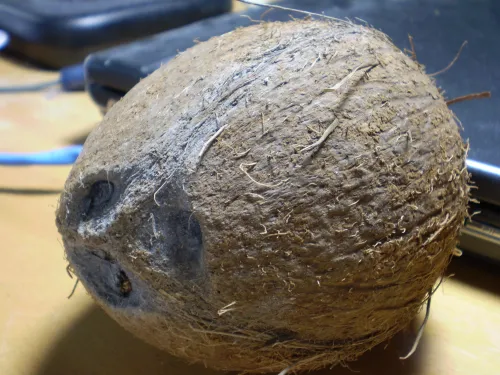
Coconut (Cocos nucifera) oil is the single most widely used base ingredient in natural skincare and body care — and for good reason. Its unique fatty acid composition, antioxidant content, and versatility make it both an extraordinary skin conditioner and a functional base for balms, salves, and topical therapeutics. From tropical coastal communities to modern apothecaries worldwide, coconut has been the foundation of natural body care for millennia.
Key Benefits of Coconut
- Uniquely high in lauric acid (C12) — a medium-chain fatty acid with demonstrated antimicrobial properties, active against bacteria, viruses, and fungi on the skin surface. (PubMed reference)
- An exceptional emollient and moisturizer — deeply nourishes dry, cracked, or weathered skin and forms a protective barrier against moisture loss.
- Rich in Vitamin E and polyphenols — antioxidants that protect skin cells and formulations from oxidative deterioration.
- Clinical studies confirm coconut oil reduces transepidermal water loss (TEWL) more effectively than mineral oil, with superior safety and tolerance. (PubMed reference)
- Provides anti-inflammatory relief for conditions like eczema, psoriasis, and contact dermatitis — coconut oil calms reactive skin and supports barrier recovery.
- At room temperature, coconut oil is a solid that melts on skin contact — making it ideal for balms, bars, and stick products that require precise texture and melting behavior.
- Its gentle, pleasant tropical fragrance and complete skin compatibility make it welcome in all skin types, from newborns to mature skin.
Coconut oil is the great universal — nourishing, protective, antimicrobial, and endlessly versatile. It is the ingredient that makes natural body care not just possible, but genuinely better than synthetic alternatives in nearly every measurable way.
Traditional Chinese Medicine (TCM) Perspective
Yē Zi (椰子) — Coconut — is valued in TCM primarily as a tropical food with tonifying and parasites-expelling properties. Both the flesh (tonifying) and water (cooling, fluid-generating) are recognized as having distinct medical applications.
- Chinese Name: Ye Zi (椰子) — Coconut; Ye Zi Rou (椰子肉) — Coconut flesh; Ye Zi Shui (椰子水) — Coconut water
- Nature & Flavor: Warm (flesh); Cool (water); Sweet
- Meridians Entered: Spleen, Stomach, Heart
- Key TCM Actions: Tonifies Spleen and strengthens the middle Jiao (flesh), generates Body Fluids and clears Summer Heat (water), expels intestinal parasites (flesh), nourishes and conditions the skin.
Coconut oil's unique medium-chain fatty acid profile creates what TCM would describe as a "quickly assimilated tonic" — providing rapid nourishment without burdening the Spleen's transforming and transporting function. Applied externally, its deeply emollient nature nourishes skin Yin and is indicated for Blood-deficient dry skin conditions, consistent with the TCM principle that external oils replenish the Wei-level body fluids.
St-Onge & Jones (2003) RCT and multiple subsequent trials confirm 15–30 ml MCT oil per day (the medium-chain triglyceride fraction of coconut oil) increases satiety hormones and energy expenditure. Henderson et al. (2009) showed 40 ml/day virgin coconut oil improved cognitive function in mild Alzheimer's. Virgin coconut oil at 30 ml/day in Assunção et al. (2009) increased HDL-C without raising LDL.
MCT Morning Coffee
- 1 tbsp (15 ml) virgin coconut oil (or MCT oil if available) in 200 ml freshly brewed black coffee or unsweetened black tea.
- Blend for 15–20 seconds until frothy — emulsification significantly improves MCT absorption.
- Add a pinch of cinnamon.
- Start with 1 tsp/day and increase to 1 tbsp over 1–2 weeks to avoid GI discomfort (loose stools are the most common side effect of abrupt MCT increases).
Research note: MCT oil (C8/C10-dominant) produces ketones more efficiently than whole coconut oil, which contains ~50 % long-chain triglycerides in addition to MCTs. For cognitive applications, pure caprylic acid (C8) is the most potent MCT form. Coconut oil is the accessible whole-food source; MCT oil supplements provide a more concentrated dose.
Before you use this: MCT oil and coconut oil cause gastrointestinal distress — including cramping, loose stools, and nausea — if the dose is increased too quickly. Always start with 1 tsp and increase gradually over 1–2 weeks. Coconut oil is high in saturated fat; individuals with elevated LDL cholesterol or a history of cardiovascular disease should discuss daily therapeutic coconut oil use with their cardiologist before beginning. A rare coconut allergy exists. MCT oil is not suitable for those with liver disease. The information on this page is for educational purposes only and does not constitute medical advice. Every person's health is unique — before incorporating any herb or botanical into your routine, especially if you are pregnant, nursing, managing a health condition, or taking prescription medications, please consult a qualified integrative health professional.


