
Main page content
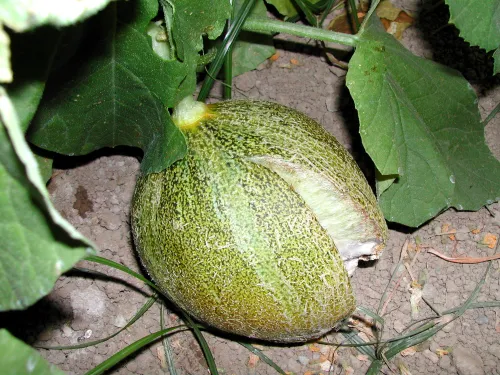
Melon (Cucumis melo) — including honeydew, cantaloupe, and muskmelon varieties — is one of the most hydrating and nutrient-dense fruits available in nature. In skincare, melon extracts bring an extraordinary concentration of vitamins, enzymes, and antioxidants that refresh, hydrate, and gently resurface the skin with the lightness and abundance of summer fruit. Melon-derived ingredients are valued particularly for their cooling, calming effect on sun-stressed or overheated skin.
Key Benefits of Melon
- Exceptional superoxide dismutase (SOD) content — particularly in cantaloupe melon, SOD is one of the most powerful endogenous antioxidant enzymes in the body, protecting skin cells from oxidative damage at the cellular level.
- One of the highest natural sources of beta-carotene (provitamin A) among fruits — supporting healthy skin cell turnover, smoothness, and the appearance of a radiant, even complexion.
- High water content (90-95%) makes melon extracts intensely hydrating — ideal for dehydrated, sun-stressed, or summer skin that craves refreshment.
- Contains proteolytic enzymes that gently dissolve dead skin cells and surface debris — a natural, non-abrasive exfoliant that brightens without irritation.
- Rich in Vitamins C, B6, and K — supporting collagen synthesis, skin metabolism, and the microcirculation that gives skin a healthy, rosy glow.
- Its fresh, sweet, slightly musky summer fragrance is immediately uplifting and evocative of warmth, abundance, and the pleasures of the natural world.
- Cooling and anti-inflammatory on the skin surface — traditionally applied to sunburn, heat rash, and skin irritation in Mediterranean folk medicine.
Melon is summer distilled into a skin treatment — deeply hydrating, gently exfoliating, and radiantly nourishing. Its light, joyful character brings the refreshing abundance of nature's most hydrating fruit into every application.
Traditional Chinese Medicine (TCM) Perspective
Melon (Guā, 瓜) is a classic Summer Heat-clearing food in TCM dietary therapy. Various melon types — winter melon (冬瓜), wax gourd, and musk melons — are all used medicinally to cool the interior, generate fluids, and promote urination during hot weather or Heat excess conditions.
- Chinese Name: Gua (瓜) — Melon; Dong Gua (冬瓜) — Winter Melon (most medicinal variety)
- Nature & Flavor: Cool; Sweet
- Meridians Entered: Spleen, Stomach, Bladder
- Key TCM Actions: Clears Heat and Summer Heat, generates Body Fluids, quenches thirst, promotes urination and relieves edema, cools Blood, relieves vexation and restlessness.
Winter melon (Dong Gua) and its seeds are classical TCM medicinals — Dong Gua Pi (冬瓜皮 — winter melon peel) is a standard herb for edema and Damp-Heat accumulation in the lower Jiao. In skincare, melon's high water content and skin-brightening enzymes correspond directly to TCM's principle of generating Body Fluids at the surface level and clearing Heat-accumulation from the skin.
Melon's hydrating and antioxidant properties are best captured fresh. While no standardised clinical dose exists for melon extract in isolation, nutritional research supports consuming 200–300 g of fresh cantaloupe or honeydew daily to meaningfully contribute to beta-carotene, Vitamin C, and SOD enzyme intake. Narda et al. (2009) demonstrated that a topical melon-derived SOD concentrate significantly reduced UV-induced skin damage and improved skin hydration markers over four weeks of use. For internal benefit, melon's high water and electrolyte content supports hydration more effectively than water alone in hot-weather or post-exercise contexts.
Chilled Melon Hydration & Glow Tonic
- Blend 250 g ripe cantaloupe (seeds removed, skin discarded) with 200 ml cold water and the juice of half a lime until smooth.
- Add a small pinch of Himalayan pink salt (trace electrolytes) and 1 tsp raw honey if desired — stir well.
- Pour over ice and drink immediately, ideally in the morning on a light stomach or after time spent in the sun or heat.
- For a topical skin-cooling compress, soak a clean cloth in chilled blended melon juice and apply to sunburned or heat-stressed skin for 10–15 minutes.
Research note: The highest concentration of SOD enzyme in cantaloupe is found closest to the rind — blend the flesh near the outer edge rather than discarding it. Heat destroys proteolytic enzymes, so melon must be consumed or applied raw and cold for maximum enzymatic benefit.
Before you use this: Melon is well tolerated by most people, however individuals with oral allergy syndrome (OAS) — particularly those allergic to ragweed, grass pollens, or latex — may experience lip tingling, throat irritation, or mild swelling when consuming raw melon, and should exercise caution. People with kidney disease or those managing potassium intake should note that melon, particularly cantaloupe, is relatively high in potassium and should consult their healthcare provider regarding portion sizes. Topical application of fresh melon juice contains active enzymes that may cause mild sensitivity in very reactive or compromised skin — always perform a patch test before applying to large areas, and discontinue use if irritation occurs. The information on this page is for educational purposes only and does not constitute medical advice. Every person's health is unique — before incorporating any herb or botanical into your routine, especially if you are pregnant, nursing, managing a health condition, or taking prescription medications, please consult a qualified integrative health professional.


