
Main page content
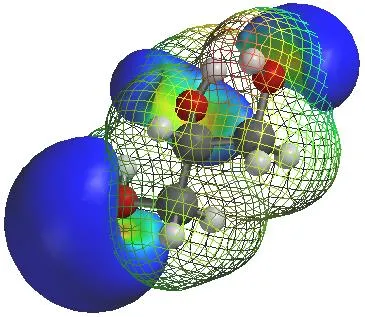
Vegetable glycerin (glycerol, derived from plant oils through transesterification or fermentation) is one of the most important functional ingredients in natural skincare — a simple, completely plant-derived, non-toxic molecule that is simultaneously one of nature's most effective humectants, skin softeners, and emollient supporters. Approved for cosmetic, pharmaceutical, and food use, glycerin is gentle enough for the most sensitive skin and effective enough to appear in virtually every category of skin care product.
Key Benefits of Vegetable Glycerin
- One of the most effective natural humectants known — glycerin attracts and binds water molecules from the environment to the skin surface, maintaining continuous, deep hydration throughout the day. (PubMed reference)
- Clinical studies confirm glycerin improves stratum corneum (outer skin layer) function, increasing hydration, reducing TEWL, and accelerating skin barrier recovery after damage.
- Completely non-toxic, non-irritating, and non-comedogenic — classified as safe for all skin types including babies, eczema-prone skin, and post-procedure sensitive skin.
- Acts as a powerful skin smoothing and softening agent — glycerin fills in microscopic surface irregularities, giving skin an immediate silky, supple feel.
- An excellent carrier and penetration enhancer for other active ingredients — improves the delivery of botanical actives through the skin by temporarily modifying barrier properties.
- Provides natural antimicrobial activity at higher concentrations — helps preserve formulations and contributes to overall product safety without synthetic preservatives.
- Plant-derived glycerin is a byproduct of sustainable soap and biodiesel production — a circular economy ingredient that turns manufacturing waste into skincare gold.
Vegetable glycerin is the invisible foundation of great skincare — quietly doing the essential work of hydration, delivery, and protection without calling attention to itself. It is the ingredient that makes everything around it work better, feel better, and last longer on the skin.
Traditional Chinese Medicine (TCM) Perspective
Vegetable glycerin is a modern botanical compound whose deeply moistening, sweet, fluid-generating properties correspond in TCM to substances that generate Body Fluids (Jin-Ye, 津液), nourish Yin, and moisten dryness throughout the body — both internally and at the skin surface.
- TCM Classification (functional): Body Fluid-generating, Yin-nourishing, moistening substance
- Nature & Flavor (functional): Neutral; Sweet
- Meridians Entered (functional): Spleen, Stomach, Lung
- Key TCM Actions: Generates and preserves Body Fluids, nourishes Yin, moistens dryness in the Lung and skin, tonifies the Spleen (sweet flavor), serves as a carrier/medium that helps other medicinal substances reach the surface tissues.
In TCM, Body Fluids (Jin-Ye) are the medium of all physiological moistening in the body — from synovial fluid in the joints to the moisture layer of the skin surface. Vegetable glycerin's humectant action (drawing and binding moisture) is a direct physical expression of the TCM principle of "generating and holding Body Fluids at the surface level." Its use as a carrier in herbal preparations aligns with the classical concept of using sweet, neutral substances to deliver medicinal properties gently and evenly.
Vegetable glycerin is used topically as a humectant and skin-conditioning agent. Clinical research confirms that glycerin concentrations of 5–20% in a topical formulation significantly improve stratum corneum hydration and reduce transepidermal water loss (TEWL). Fluhr et al. (2008) demonstrated that a 20% glycerin preparation accelerated skin barrier recovery after tape-stripping, outperforming many synthetic humectants at equivalent concentrations. For direct topical use as a facial serum or body treatment, glycerin is typically diluted in distilled water or a floral hydrosol at a 10–20% concentration to avoid the tacky, over-concentrated feel that undiluted glycerin can produce in low-humidity environments.
Vegetable Glycerin Hydrating Serum
- Measure 10–20 ml vegetable glycerin (food-grade, USP-grade) into a clean 100 ml glass spray or dropper bottle.
- Top up to 100 ml total with distilled water or a calming hydrosol such as rose water or chamomile hydrosol — this gives a 10–20% glycerin solution.
- Optional: add 2–3 drops of a gentle botanical extract such as calendula or aloe vera concentrate for added skin-soothing support.
- Shake gently before each use. Apply 3–5 drops to damp skin immediately after cleansing, patting in lightly and following with your preferred natural oil or salve to seal the moisture layer.
- Store in a cool, dark location. Use within 4–6 weeks if no additional preservative is included.
Research note: Do not apply undiluted vegetable glycerin in very dry or low-humidity environments — in the absence of sufficient ambient moisture, highly concentrated glycerin can draw water from the deeper skin layers rather than the atmosphere, potentially increasing dryness. Diluting to 10–20% in water or hydrosol eliminates this concern and produces optimal humectant performance.
Before you use this: Vegetable glycerin is exceptionally well-tolerated and classified as Generally Recognized As Safe (GRAS) by the FDA for both cosmetic and food use; however, individuals with known sensitivities to specific plant-oil sources (such as soy, palm, or coconut, from which glycerin may be derived) should verify the source of the glycerin used and perform a patch test before broad topical application. When used internally in very high doses, glycerin has an osmotic laxative effect and may cause bloating, nausea, or loose stools — the concentrations present in topical formulations from allnaturals.shop are not intended for internal therapeutic use. The information on this page is for educational purposes only and does not constitute medical advice. Every person's health is unique — before incorporating any herb or botanical into your routine, especially if you are pregnant, nursing, managing a health condition, or taking prescription medications, please consult a qualified integrative health professional.


