
Main page content
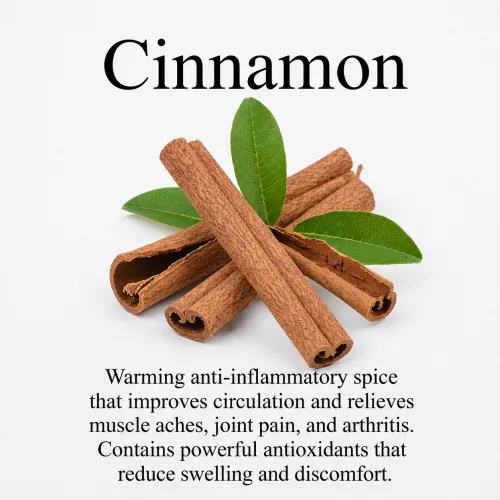
Cinnamon (Cinnamomum verum, also known as Ceylon cinnamon or "true cinnamon") has been traded as one of the world's most precious spices for over 4,000 years. Unlike its close relative cassia, Ceylon cinnamon is more refined and lower in coumarin, making it the preferred choice for prolonged therapeutic use. Its warming, antimicrobial, and circulatory properties have been documented across Ayurvedic, Chinese, and Western herbal traditions.
Key Benefits of Cinnamon
- Contains cinnamaldehyde, eugenol, and cinnamic acid — compounds with well-documented anti-inflammatory, antimicrobial, and antioxidant activity. (PubMed reference)
- Creates a pleasant, lasting warming sensation topically — stimulates circulation and brings blood flow to muscles and joints for natural relief.
- Potently antimicrobial — effective against many common skin bacteria and fungi, supporting skin clarity and health.
- Rich in polyphenol antioxidants — cinnamon has one of the highest antioxidant capacities of any spice, helping neutralize free radicals and protect skin cells.
- In aromatherapy, cinnamon's warm, spicy-sweet fragrance is associated with comfort, warmth, memory, and the feeling of being home — deeply emotionally resonant.
- Used in Ayurvedic medicine (Twak) to stimulate digestion, circulation, and Kapha-reducing qualities — one of the core warming herbs in traditional Indian healing.
- Complements other warming botanicals like ginger, clove, and black pepper in compound formulations for joint and muscle care.
Cinnamon is comfort and medicine in one — its warmth is both a sensory pleasure and a physiological signal of increased circulation and healing. In natural body care, it transforms products into something almost edible in its welcoming, familiar richness.
Traditional Chinese Medicine (TCM) Perspective
Ròu Guì (肉桂) is one of the most foundational herbs in the entire TCM pharmacopoeia — classified as a foremost Yang tonic that reaches into the deepest constitutional layer of the body to restore warmth and vitality where Cold deficiency has taken hold.
- Chinese Name: Rou Gui (肉桂) — Cinnamon Bark / Cassia Bark
- Nature & Flavor: Hot; Pungent, Sweet
- Meridians Entered: Heart, Kidney, Liver, Spleen
- Key TCM Actions: Warms the Kidneys and tonifies Ming Men Yang (Gate of Life Fire), disperses interior Cold, unblocks the channels and vessels, invigorates Blood, brings rising Fire back to its source (leads floating Yang to return to the lower Jiao).
The concept of Ming Men (命门 — Gate of Life) is unique to TCM: the constitutional fire housed between the two kidneys that is the root of all Yang energy in the body. When this fire is deficient, the entire system cools — fatigue, cold extremities, low libido, weak low back, and chronic pain are the result. Rou Gui directly supplements this fire, making it one of the most therapeutically powerful warming herbs known. Its circulatory-stimulating topical action is a direct expression of its channel-unblocking nature.
Three separate meta-analyses (Allen et al., 2013; Akilen et al., 2012; Davis & Yokoyama, 2011) confirm 1–3 g Ceylon cinnamon per day significantly reduces fasting blood glucose and LDL cholesterol. Ceylon (Cinnamomum verum) must be used — it contains 250× less hepatotoxic coumarin than cassia. Studies showing the strongest effect used powdered cinnamon consumed with the first meal of the day.
Ceylon Cinnamon Morning Elixir
- ½ tsp ground Ceylon cinnamon (~1.5 g) stirred into 250 ml warm water with juice of ½ lemon and 1 tsp raw honey.
- Drink on an empty stomach, 15–20 minutes before breakfast.
- Or: add ½ tsp to morning oatmeal + 1 tbsp ground flaxseed for a combined fibre-plus-cinnamon effect shown in the Hlebowicz et al. (2007) study to flatten post-meal glucose curves most effectively.
Research note: Verify your cinnamon is Ceylon — look for "Cinnamomum verum" or "true cinnamon" on the label. Ceylon sticks are lighter tan and roll into multiple thin layers like a cigar; cassia sticks are thick, hard, and single-rolled. Powdered cinnamon sold in most grocery stores is cassia. Ceylon's type-A procyanidins are the primary bioactive mechanism for glucose regulation.
Before you use this: Always verify you are using Ceylon cinnamon (Cinnamomum verum) — not cassia (the common supermarket variety), which contains up to 250× more coumarin and should not be used daily at therapeutic doses. Ceylon cinnamon may lower blood glucose; those on insulin or oral hypoglycaemics should monitor blood sugar when beginning daily therapeutic use. A rare cinnamon allergy exists. At doses above 6 g/day, even Ceylon cinnamon has a mild anticoagulant effect — avoid with blood-thinning medications. The information on this page is for educational purposes only and does not constitute medical advice. Every person's health is unique — before incorporating any herb or botanical into your routine, especially if you are pregnant, nursing, managing a health condition, or taking prescription medications, please consult a qualified integrative health professional.


