
Main page content
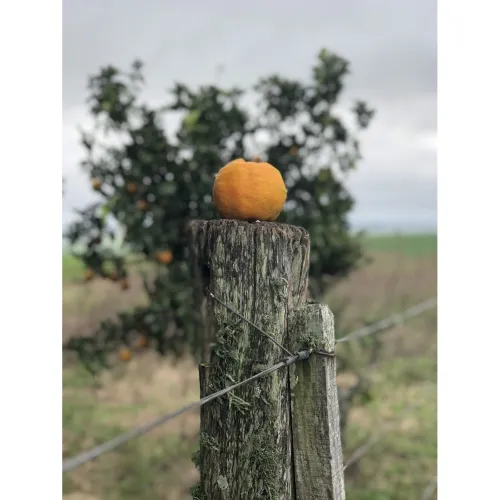
Bergamot (Citrus bergamia) is a fragrant citrus fruit cultivated almost exclusively in the Calabria region of southern Italy. Its cold-pressed essential oil is one of the most complex and beloved in aromatherapy and natural perfumery — simultaneously fresh, floral, and slightly spicy. Bergamot has been used medicinally in Italian folk medicine for centuries and is now one of the best-studied citrus oils for its mood-lifting and skin-supportive properties.
Key Benefits of Bergamot
- Rich in linalool and linalyl acetate — aromatic compounds shown in multiple studies to reduce anxiety, lower cortisol, and promote a calm, positive mood. (PubMed reference)
- Clinically demonstrated to reduce stress and tension when inhaled — used in aromatherapy for anxiety, mental fatigue, and emotional heaviness.
- Naturally antimicrobial and antifungal — its active constituents help control skin-surface microbes and support a balanced complexion.
- Traditionally applied topically to support oily or acne-prone skin, helping regulate sebum production and tone pores.
- Contains flavonoids with antioxidant activity that help protect skin cells from environmental and oxidative damage.
- Its signature bright, uplifting scent makes it a natural mood enhancer — frequently used in morning body care routines to energize and refresh.
- Important note: bergamot contains bergapten, a phototoxic compound — always use bergapten-free (FCF) bergamot or avoid direct sun exposure after topical application.
Bergamot is the ingredient that makes a product smell alive and joyful. Beyond its extraordinary fragrance, its genuine therapeutic activity on mood and skin make it a truly functional botanical — beautiful and purposeful in equal measure.
Traditional Chinese Medicine (TCM) Perspective
Bergamot's bright, uplifting citrus-floral aroma places it squarely within the category of herbs that TCM uses to soothe the Liver, resolve Qi stagnation, and lift the spirit. It is functionally related to Fó Shǒu (佛手 — Finger Citron) and Xiāng Yuán (香橼 — Citron), two closely related citrus herbs in the classical pharmacopoeia.
- TCM Classification: Citrus aromatics that regulate Liver Qi and calm the Spirit
- Nature & Flavor (functional): Cool; Pungent, Sour
- Meridians Entered (functional): Liver, Lung, Spleen
- Key TCM Actions: Spreads Liver Qi, resolves constraint and emotional depression, harmonizes the Spleen and Stomach, benefits the Lung and throat, clears Heat from the skin.
The related herb Fó Shǒu (佛手) is one of TCM's primary herbs for Liver-Spleen disharmony — the pattern where emotional stress manifests as digestive upset, tightness in the chest, and irritability. Bergamot's essential oil, with its proven anxiolytic and mood-elevating effects, delivers these same TCM actions through the respiratory and olfactory pathways.
Bergamot polyphenol extract (BPF) at 1 000 mg/day reduced LDL cholesterol by 36 % and raised HDL by 40 % in Gliozzi et al. (2013), a 30-day RCT. Di Donna et al. (2014) confirmed. The equivalent whole-juice dose used in follow-up studies is approximately 150 ml freshly squeezed bergamot juice per day, or 4–5 cups of bergamot-peel tea.
Bergamot Cholesterol Morning Tonic
- Peel of 1 bergamot fruit (or 1 tsp dried bergamot zest), steeped in 250 ml hot water for 8 minutes.
- Add juice of ½ lemon and 1 tsp raw honey.
- Drink fasting, 30 minutes before breakfast, for 4 weeks minimum.
Research note: The polyphenols neohesperidin and brutieridin — unique to bergamot — are concentrated in the peel and juice, not the essential oil. Earl Grey tea contains bergamot oil for fragrance only; it does not deliver the therapeutic polyphenol dose. Use whole fruit or peel-based preparations for clinical effect.
Before you use this: Bergamot peel and juice contain furanocoumarins that inhibit the CYP3A4 enzyme — the same interaction pathway as grapefruit. This can significantly raise blood levels of statins, calcium-channel blockers, cyclosporine, certain antihistamines, and other CYP3A4-metabolised medications. If you take any of these, check with your prescribing doctor before using bergamot therapeutically. Bergamot may also mildly lower blood pressure; monitor if on antihypertensives. The information on this page is for educational purposes only and does not constitute medical advice. Every person's health is unique — before incorporating any herb or botanical into your routine, especially if you are pregnant, nursing, managing a health condition, or taking prescription medications, please consult a qualified integrative health professional.


