Main page content
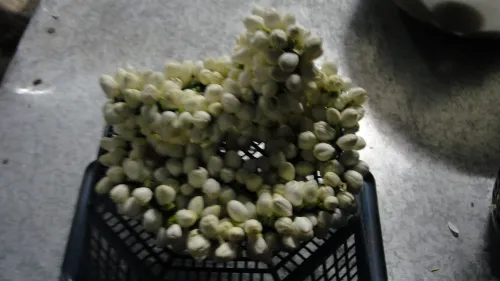
Jasmine (Jasminum officinale, J. sambac) is one of the most prized and intoxicating botanical fragrances in the world — and far more than a perfume ingredient. Used medicinally in Indian, Chinese, and Persian traditions for centuries, jasmine's aromatic compounds have genuine psychophysiological effects: reducing anxiety, improving mood, supporting relaxation, and — uniquely — producing a mild stimulating effect on the nervous system simultaneously with its calming action.
Key Benefits of Jasmine
- Rich in benzyl acetate, linalool, indole, and jasmone — a complex aromatic profile shown to reduce anxiety, elevate mood, and modulate the nervous system in multiple aromatherapy studies. (PubMed reference)
- Uniquely both calming and uplifting — jasmine reduces cortisol and anxiety while simultaneously increasing alertness and positive emotional state, unlike sedative aromatics.
- Demonstrated skin-supportive properties — jasmine absolute and extract are used in premium skincare for their ability to moisturize, tone, and improve skin elasticity.
- Traditional Ayurvedic and Chinese medicine applications include: topical use for skin conditions, wound healing, and as a nervine tonic for stress and emotional upset.
- Contains natural antioxidant compounds that help protect skin from premature aging and environmental damage.
- As a base note in natural perfumery, jasmine provides an unmatched floral depth and warmth — one of the most universally beloved aromatic experiences across all cultures.
- In traditional Indian culture, jasmine is the scent of celebration, love, and sacred offerings — its presence in a formulation connects the senses to something deeply, beautifully human.
Jasmine is the queen of botanical fragrances and a genuinely therapeutic aromatic — its complexity, sensory impact, and documented effect on mood and nervous system function make it one of the most irreplaceable ingredients in natural body care formulation.
Traditional Chinese Medicine (TCM) Perspective
Mò Lì Huā (茉莉花) — Jasmine — is one of TCM's most celebrated aromatic flowers for calming the Heart Spirit, resolving Liver Qi constraint, and opening the channels with its uplifting, euphoric fragrance. It is a classical ingredient in medicinal teas and aromatic medicinal preparations.
- Chinese Name: Mo Li Hua (茉莉花) — Jasmine Flower
- Nature & Flavor: Warm; Pungent, Sweet
- Meridians Entered: Liver, Spleen, Stomach
- Key TCM Actions: Soothes Liver Qi stagnation, resolves depression and emotional constraint, calms the Heart Spirit, opens and uplifts the sensory orifices, harmonizes the middle Jiao, relieves pain.
Jasmine holds a special place in the TCM understanding of fragrance as medicine: its intoxicating scent is said to "open the Heart orifice" (开心窍) — dissolving the emotional armor of constraint, grief, or repressed feeling that accumulates in the Liver and Heart meridians. In TCM, the chest tightness, sighing, and emotional withdrawal that accompany deep Liver Qi stagnation are directly addressed by this flower's aromatic medicine.
Green tea catechins (particularly EGCG) are the primary therapeutic compounds; jasmine flowers add aromatic olfactory effects shown by Kuroda et al. (2005) to reduce stress markers via the autonomic nervous system. Studies on green tea polyphenols use 300–700 mg EGCG/day, achieved by 3–4 cups of properly brewed jasmine green tea. The critical variable is water temperature: above 85 °C degrades EGCG by up to 40 %.
Traditional Jasmine Green Tea
- 2–3 g jasmine green tea (1 tsp) per cup.
- Water temperature: 75–80 °C — pour just-boiled water into a second cup first, wait 3 minutes, then brew.
- Steep exactly 2–3 minutes; longer destroys catechins and adds bitterness.
- Each cup can be steeped 2–3 times; the second steep releases a different, gentler catechin profile.
- Drink 3–4 cups spread across the day, not all at once.
Research note: The Japanese practice of pouring boiling water into a separate vessel before adding tea (cooling it to ~80 °C) is precisely calibrated to EGCG stability chemistry. Bagged jasmine tea typically uses lower-grade leaf with reduced EGCG content. Loose-leaf, whole-leaf jasmine green tea from Fujian province is the gold standard for research-consistent polyphenol delivery.
Before you use this: Jasmine green tea contains caffeine — typically 20–40 mg per cup. Those sensitive to caffeine may experience insomnia, anxiety, palpitations, or headaches, particularly from afternoon or evening consumption. Avoid in the 6 hours before bed if you are caffeine-sensitive. High-dose EGCG from concentrated green tea supplements (not tea) has been associated with hepatotoxicity in rare case reports; tea at 3–4 cups/day is safe for the vast majority of people. Green tea may reduce iron absorption from plant-based foods if consumed with meals; those with iron-deficiency anaemia should drink tea between meals rather than with them. The information on this page is for educational purposes only and does not constitute medical advice. Every person's health is unique — before incorporating any herb or botanical into your routine, especially if you are pregnant, nursing, managing a health condition, or taking prescription medications, please consult a qualified integrative health professional.


