
Main page content
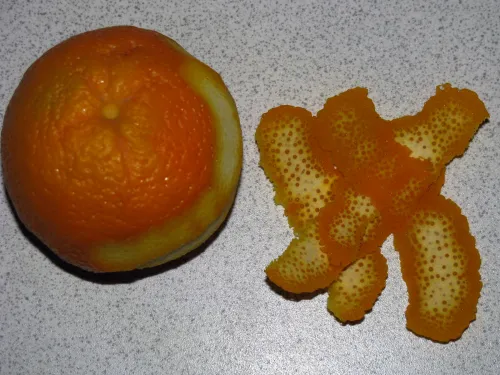
Orange peel — the outer flavedo layer of Citrus sinensis — is one of nature's most nutrient-dense plant materials, concentrating flavonoids, vitamin C, essential oils, and pectin in a form that is more potent than the flesh of the fruit itself. Dried and powdered orange peel has been used in Ayurvedic and traditional Chinese medicine as a digestive, skin-brightening, and antimicrobial agent for millennia — and modern research confirms its impressive bioactive richness.
Key Benefits of Orange Peel
- The highest concentration of hesperidin and polymethoxylated flavones (PMFs) among commonly available botanicals — flavonoids with documented anti-inflammatory, cholesterol-lowering, and skin-protective properties unique to citrus peel. (PubMed reference)
- Exceptional Vitamin C density — orange peel contains significantly more vitamin C per gram than the orange flesh, supporting bright, even-toned, antioxidant-protected skin.
- Natural pectin content acts as a gentle skin soother and film-former — providing a smooth skin feel and mild moisture-binding action in topical preparations.
- Naturally antimicrobial and antifungal — orange peel extracts show broad-spectrum activity against many pathogens relevant to skin health.
- The essential oil in the peel provides limonene and other terpenes with antioxidant and circulatory benefits alongside the peel's flavonoid content.
- In Ayurvedic tradition, dried orange peel (Narangi) is used for skin clarity, brightening uneven pigmentation, and as a gentle exfoliating agent in face preparations.
- Adds a bright, zesty, intensely citrus aromatic character to formulations — the unmistakable scent of fresh orange peel is cheerful, clean, and invigorating.
Orange peel is the whole-fruit philosophy of skincare — using every part of the orange, concentrating its most potent compounds, and delivering them in a form that is simultaneously beautiful, aromatic, and genuinely therapeutic. Nothing is wasted; everything is purposeful.
Traditional Chinese Medicine (TCM) Perspective
Chén Pí (陈皮) — Aged Dried Tangerine/Orange Peel — is one of the most prescribed herbs in all of Chinese medicine. Its appearance in literally hundreds of classical formulas attests to its indispensability as a Qi-regulating, Phlegm-transforming, Spleen-harmonizing herb.
- Chinese Name: Chen Pi (陈皮) — Aged Tangerine/Orange Peel
- Nature & Flavor: Warm; Pungent, Bitter
- Meridians Entered: Lung, Spleen
- Key TCM Actions: Regulates Qi and relieves distension, dries Damp and transforms Phlegm, strengthens the Spleen and Stomach, descends rebellious Qi (stops nausea and belching), prevents tonic herbs from causing stagnation when added to tonic formulas.
Chen Pi is the archetypal "harmonizing" herb in TCM — added to tonic formulas to prevent cloying, to digestive formulas to move stagnation, and to Phlegm formulas as the foundation of transformation. Its aged nature is essential: fresh peel disperses too forcefully; only after years of drying does it develop the balanced, harmonizing quality that makes it indispensable. The older the peel, the more medicinally valuable — a principle reflected in the name "Chen" (陈), meaning "aged" or "old."
Rizza et al. (2011) demonstrated that 292 mg hesperidin/day from orange peel improved microvascular reactivity after 4 weeks. Chen Pi (aged citrus peel) at 3–9 g/day is validated across multiple TCM clinical trials for digestive motility and Phlegm conditions. The drying and aging process concentrates and transforms the flavonoid profile — fresh peel has higher essential oil content; dried/aged peel has higher glycoside content.
Chen Pi Digestive Tea
- 3–5 g dried orange peel (or Chen Pi from a Chinese herb supplier for maximum therapeutic grade) in 250 ml just-boiled water.
- Steep 8–10 minutes.
- Add 3 slices fresh ginger + 1 tsp honey.
- Drink after meals, particularly after eating rich or fatty food.
Research note: Use organic orange peel — conventional peel is heavily sprayed and the peel concentrates pesticide residues. If making your own dried peel: use a vegetable peeler to take only the coloured outer zest (avoid the bitter white pith), dry at 40–50 °C for 6–8 hours (or sun-dry over 2–3 days), and store in an airtight jar. Age for 1–3 years if possible — the Chen Pi designation in TCM means "aged peel," and the therapeutic flavonoid profile genuinely develops over time.
Before you use this: Naringenin in citrus peel inhibits the CYP3A4 metabolic pathway — check interactions if you take statins, cyclosporine, calcium-channel blockers, or other CYP3A4-metabolised medications. This interaction is mild with peel tea at culinary doses but increases at higher supplemental concentrations. Use only organic orange peel — conventional peel concentrates systemic pesticides. Synephrine in unripe peel acts as a mild adrenergic stimulant; avoid if you have a cardiac arrhythmia or are sensitive to stimulant compounds. The information on this page is for educational purposes only and does not constitute medical advice. Every person's health is unique — before incorporating any herb or botanical into your routine, especially if you are pregnant, nursing, managing a health condition, or taking prescription medications, please consult a qualified integrative health professional.


