
Main page content
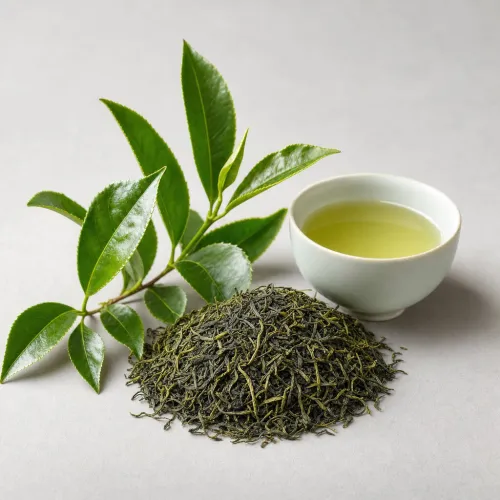
Green tea (Camellia sinensis) is tea in its least processed form — leaves steamed or pan-fired soon after picking so they stay green. It has been drunk in China for over 4,000 years and became the heart of Japanese tea ceremony and Zen practice.
Key Benefits of Green Tea
- The most researched tea in the world, rich in the catechin EGCG, a powerful antioxidant.
- L-theanine paired with caffeine gives calm, focused alertness rather than jitters.
- Studied for heart health, healthy cholesterol and metabolism.
- Traditionally drunk to clear the head and aid digestion.
Few plants have as much research and as much tradition behind them as green tea.
Traditional Chinese Medicine (TCM) Perspective
- Chinese Name: Lǜ Chá (绿茶)
- Nature & Flavor: Cool; Bitter, Sweet
- Meridians Entered: Heart, Lung, Stomach
- Key TCM Actions: Clears Heat, clears the head and eyes, resolves phlegm, promotes urination, relieves thirst.
In TCM green tea is the coolest of the teas — ideal for hot weather and hot constitutions, less suited to people who run cold, who may prefer oolong or black tea.
- 1 tsp per cup, water at 75–80°C (not boiling, or it turns bitter), 2–3 minutes.
Before you use this: Contains caffeine — limit it if you are sensitive to caffeine, pregnant, or have trouble sleeping, and avoid it late in the day. Green tea can reduce iron absorption — drink it between meals if you are low in iron. The information on this page is for educational purposes only and does not constitute medical advice. Every person's health is unique — before incorporating any herb or botanical into your routine, especially if you are pregnant, nursing, managing a health condition, or taking prescription medications, please consult a qualified integrative health professional.


Share this with your friends 🙏


