
Main page content
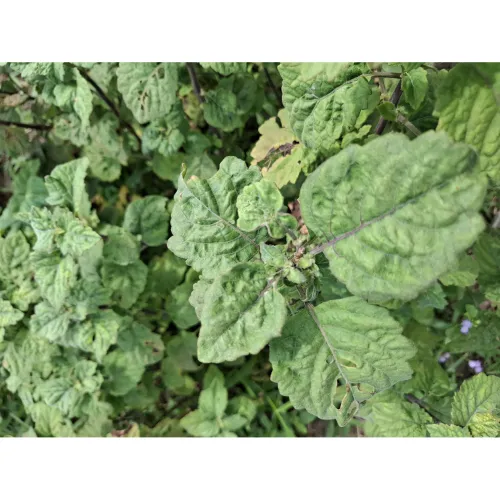
Patchouli (Pogostemon cablin) is one of the most distinctive and storied aromatic botanicals in the world — a bushy herb native to tropical Asia whose rich, earthy, deeply complex essential oil has been used in traditional Asian medicine, perfumery, and textile preservation for centuries. In skincare, patchouli is far more than a fragrance ingredient: it has genuine regenerative, anti-inflammatory, and antimicrobial properties that make it one of the most therapeutically complete aromatic oils for skin healing and anti-aging applications.
Key Benefits of Patchouli
- Rich in patchoulol, norpatchoulenol, and alpha-bulnesene — sesquiterpene compounds with documented anti-inflammatory, antibacterial, and antifungal properties. (PubMed reference)
- One of the most effective natural skin cell regenerators — patchouli promotes the growth of new skin cells (cytophylactic activity), supporting wound healing, scar reduction, and anti-aging.
- Patchoulol demonstrates inhibition of 5-alpha-reductase — an enzyme involved in androgenic hair loss, suggesting potential benefits for scalp health and sebum regulation.
- Potent natural antimicrobial and antifungal — active against Staphylococcus, Candida, and many other skin-relevant pathogens, supporting clear, healthy skin.
- Used in traditional Indian, Chinese, and Japanese medicine for skin conditions, inflammatory complaints, and as a tonic for fatigue and emotional depletion.
- In aromatherapy, patchouli is deeply grounding, sensual, and stabilizing — used for anxiety, restlessness, and the need for embodied, earthly presence.
- A legendary perfumery base note — patchouli's earthy-sweet, long-lasting character anchors complex blends and develops beautifully on skin over hours of wear.
Patchouli is an acquired taste that becomes a lifelong love — earthy, rich, complex, and remarkably therapeutic. Its skin regenerating properties, antimicrobial breadth, and profoundly grounding aromatic character make it one of the most complete and purposeful botanicals in serious natural skincare.
Traditional Chinese Medicine (TCM) Perspective
Guǎng Huò Xiāng (广藿香) — Patchouli — is a cornerstone herb in TCM's summer and Damp-Heat medicine. It is the chief herb in the classical formula Huò Xiāng Zhèng Qì Sǎn (藿香正气散), one of the most widely used formulas in Chinese medicine for summer Damp disorders affecting the digestive system.
- Chinese Name: Huo Xiang (藿香) / Guang Huo Xiang (广藿香) — Patchouli
- Nature & Flavor: Slightly warm; Pungent
- Meridians Entered: Lung, Spleen, Stomach
- Key TCM Actions: Transforms Damp, releases the Exterior (especially Summer Damp-Cold), stops vomiting and harmonizes the middle Jiao, dispels turbid Damp and its associated fullness and nausea.
Huo Xiang is the archetypal aromatic Damp-transforming herb in TCM — its fragrant pungency "awakens" the Spleen from Damp-induced torpor and restores the Spleen's critical function of transforming and transporting fluids and nutrients. The formula Huo Xiang Zheng Qi San remains one of the most popular Chinese patent medicines to this day, sold across China and worldwide for gastrointestinal upset, summer colds with digestive involvement, and motion sickness — all rooted in the Damp pattern that Huo Xiang directly addresses.
Patchouli (Huo Xiang, 藿香) is the chief herb in Huo Xiang Zheng Qi San, the most widely used classical formula for Damp-pattern summer digestive disorders and nausea. Zeng et al. (2013) confirmed patchoulol's anti-inflammatory effects on intestinal epithelial cells. Classical TCM dosage: 3–9 g dried herb per serving. The volatile oils responsible for the digestive benefit dissipate rapidly if over-steeped or left uncovered.
Huo Xiang Digestive Tea
- 4–6 g dried patchouli herb (Huo Xiang from a Chinese herb supplier — different from ornamental patchouli) in 250 ml just-boiled water.
- Steep 5 minutes only, covered. Do not over-steep.
- Add 1 tsp dried mandarin peel (Chen Pi) for a classical flavour-enhancing combination.
- Drink at the first sign of nausea, heaviness, or bloating, especially in hot and humid conditions.
Research note: Shorter steeping time (5 minutes) intentionally preserves more aromatic volatile oils. The 5-minute versus 15-minute steep is not an oversight — the classical preparation specifically uses brief steeping to keep patchoulol content high. Patchouli for this recipe is Pogostemon cablin (the TCM herb), not the Western ornamental plant, which has a different species and alkaloid profile.
Before you use this: Ensure you source Pogostemon cablin (the TCM herb, sold as Huo Xiang) rather than ornamental patchouli, which has a different chemical profile. Avoid at therapeutic tea doses during pregnancy. Large quantities may occasionally cause headache or nausea in sensitive individuals — reduce dose or frequency if this occurs. Generally very safe at the 4–6 g per cup dose recommended here. If purchasing from a Western herbal supplier, confirm the Latin species name on the label. The information on this page is for educational purposes only and does not constitute medical advice. Every person's health is unique — before incorporating any herb or botanical into your routine, especially if you are pregnant, nursing, managing a health condition, or taking prescription medications, please consult a qualified integrative health professional.


