
Main page content
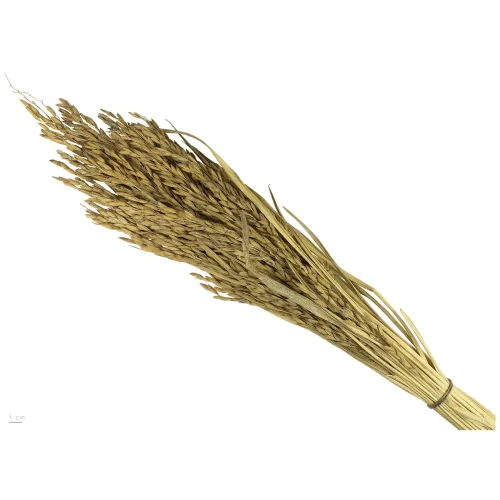
Rice milk, derived from the water extract of cooked or fermented rice (Oryza sativa), carries one of the most elegant and ancient traditions in Asian skincare. Japanese court women of the Heian period (794–1185 CE) famously used rice water to maintain their legendary long, lustrous hair and luminous complexions — a practice that has now inspired a global revival of interest in rice-derived beauty ingredients backed by modern cosmetic science.
Key Benefits of Rice Milk
- Contains inositol — a carbohydrate compound that penetrates hair and skin, repairing damage from the inside out, reducing surface friction, and increasing the shine and smoothness of both hair and skin. (PubMed reference)
- Rich in ferulic acid — a powerful phenolic antioxidant that protects against UV damage, inhibits melanin synthesis (brightening effect), and demonstrates remarkable stability in formulations.
- Provides gentle, non-irritating brightening — the combination of inositol, ferulic acid, and amino acids in rice milk supports an even, luminous complexion without harsh bleaching agents.
- Contains naturally occurring amino acids and vitamins B that nourish and strengthen the skin's protective barrier, supporting moisture retention and healthy skin metabolism.
- Deeply soothing and anti-inflammatory — rice milk is one of the first choices in Japanese and Korean skincare for sensitive, reactive, or compromised skin that needs gentle support.
- The starch content of rice milk creates a soft, silky skin feel and a natural film-forming action that smooths and protects the skin surface.
- Carries the 1,000-year beauty tradition of Japanese geisha and the women of the imperial court — connecting modern use to one of history's most beautiful and enduring skincare practices.
Rice milk is the quiet eloquence of East Asian beauty wisdom — gentle, consistent, and deeply effective. Its brightening, smoothing, and barrier-supporting properties, validated both by millennium-long tradition and modern science, make it an exceptional ingredient for anyone seeking luminous, healthy skin.
Traditional Chinese Medicine (TCM) Perspective
Rice (Gěng Mǐ, 粳米) is one of the most important foods in TCM dietary therapy, appearing as an ingredient in many classical herbal decoctions where it tonifies Spleen Qi, generates fluids, and moderates the harsh effects of more intense medicinal herbs. Rice milk represents the nourishing essence of rice in a highly bioavailable form.
- Chinese Name: Geng Mi (粳米) — Japonica Rice; Nuo Mi (糯米) — Glutinous Rice
- Nature & Flavor: Neutral; Sweet
- Meridians Entered: Spleen, Stomach, Lung
- Key TCM Actions: Strongly tonifies Spleen and Stomach Qi, generates Body Fluids, relieves thirst, stops diarrhea, nourishes the Lung and skin, moderates harsh medicinal properties when used as a decoction base.
Rice is so fundamental to TCM that the character for "Qi" (氣) contains the character for rice (米) within it — a cultural and medical acknowledgment that the grain is the primary source of post-natal Qi (the energy we continuously generate from food). Rice milk's creamy, nourishing quality used in skincare generates the same Spleen-governing fluid distribution to the skin — keeping the complexion moist, smooth, and well-nourished from a TCM perspective.
Rice milk for topical skin and hair use is most effective as a concentrated rice water preparation. Traditional Yao women of Huangluo village, China — documented as having the longest and healthiest hair in the world — have fermented rice water rituals dating back centuries. Modern cosmetic research supports a 10–20% inositol-rich rice water concentration for measurable improvements in hair strength and skin smoothness after 4–8 weeks of consistent use. For internal consumption, unsweetened rice milk provides approximately 1 mg of naturally occurring inositol per 240 ml serving, though concentrated rice bran extracts standardized to ferulic acid (typically 50–100 mg/day) are used in clinical brightening and antioxidant protocols.
Fermented Rice Water Toning & Hair Rinse
- Measure 100 g uncooked organic white or Japonica rice and rinse briefly to remove surface dust. Do not over-rinse — this discards the inositol and ferulic acid.
- Soak the rinsed rice in 500 ml filtered water for 24–48 hours at room temperature to allow light fermentation. The water will turn slightly milky and develop a gentle, pleasant sour note.
- Strain out the rice. Transfer the fermented rice water to a clean glass bottle and refrigerate. Use within 7 days.
- For skin toning: apply with a cotton pad to clean skin after cleansing, morning and evening. Allow to dry fully before applying moisturiser.
- For hair rinse: after shampooing, pour 200–250 ml over clean, wet hair, massage gently through lengths and scalp, leave 3–5 minutes, then rinse with cool water. Use 2–3 times weekly.
Research note: Fermentation increases the inositol content and lowers the pH of rice water, improving its compatibility with skin and scalp. Plain (unfermented) rice water is milder and equally suitable for sensitive or reactive skin — simply reduce the soak time to 30 minutes at room temperature for a gentle, non-fermented version.
Before you use this: Rice milk is one of the gentlest cosmetic ingredients available and is very well tolerated, including on sensitive and reactive skin; however, individuals with a diagnosed rice allergy should avoid all rice-derived preparations both internally and topically. When using fermented rice water on the scalp or face, introduce gradually — the naturally lowered pH and active compounds can occasionally cause mild tingling on highly sensitised or compromised skin barriers. For internal consumption, commercially produced rice milk beverages may contain added sugars, oils, or fortifying agents — always check labels if managing blood sugar or following a restricted diet, as plain rice milk has a relatively high glycaemic index compared to other plant milks. The information on this page is for educational purposes only and does not constitute medical advice. Every person's health is unique — before incorporating any herb or botanical into your routine, especially if you are pregnant, nursing, managing a health condition, or taking prescription medications, please consult a qualified integrative health professional.


