Main page content
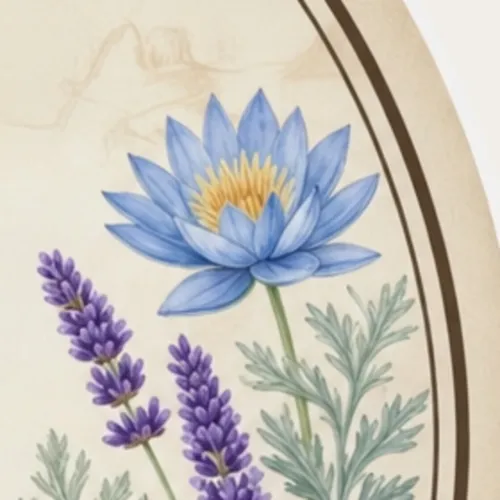
Blue lotus (Nymphaea caerulea) is the sacred blue water lily of ancient Egypt. It closes at night and opens with the sunrise, so the Egyptians saw it as a symbol of rebirth; it is painted on temple walls and was found scattered over Tutankhamun's body.
Key Benefits of Blue Lotus
- Contains the alkaloids aporphine and nuciferine, associated with gentle relaxation.
- Traditionally soaked in wine or brewed as tea for a calm, dreamy, euphoric mood.
- Used for relaxation and sleep.
- One of the classic flowers in herbal smoking blends.
Blue lotus is a flower of calm — the relaxing, dream-softening herb of the pharaohs.
Traditional Chinese Medicine (TCM) Perspective
- Chinese Name: Not a classical Chinese herb
- Nature & Flavor: Cool; Sweet, Slightly Bitter
- Meridians Entered: Heart, Liver
- Key TCM Actions: Calms the spirit, clears Heat, eases tension.
In TCM terms blue lotus resembles the cool flowers that calm the Shen (spirit) and soothe the Liver — for restlessness, tension and broken sleep.
- 1–2 flowers (or 1 tsp petals) in a cup of hot water, 10 minutes.
Before you use this: Blue lotus is relaxing — do not drive or operate machinery after use, and do not combine with alcohol or sedatives. Avoid during pregnancy and nursing. The information on this page is for educational purposes only and does not constitute medical advice. Every person's health is unique — before incorporating any herb or botanical into your routine, especially if you are pregnant, nursing, managing a health condition, or taking prescription medications, please consult a qualified integrative health professional.

Share this with your friends 🙏


