Main page content
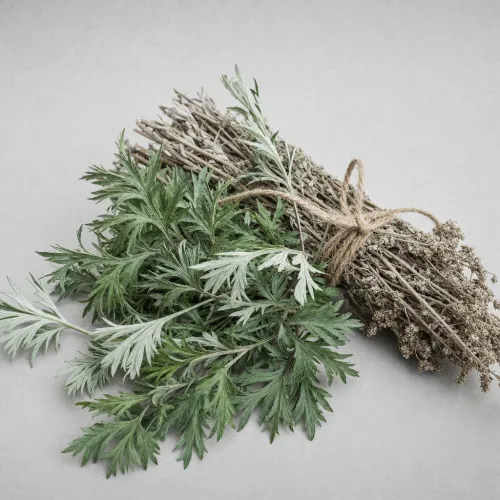
Mugwort (Artemisia vulgaris) is a tall, silvery-leaved wild herb found across Europe, Asia and North America. In European folk tradition it is the dream herb — tucked into pillows and burned for vivid dreams — and travellers put it in their shoes against fatigue.
Key Benefits of Mugwort
- Traditionally used for vivid, memorable dreams when placed under the pillow, drunk or smoked.
- A bitter digestive that stimulates bile and appetite.
- Used across traditions for painful and irregular periods.
- Its close cousin is the herb burned in moxibustion.
Mugwort is a doorway herb in folk tradition — between waking and dreaming, and between the body's warmth and its cold places.
Traditional Chinese Medicine (TCM) Perspective
- Chinese Name: Close relative: Ài Yè (艾叶, Artemisia argyi)
- Nature & Flavor: Warm; Bitter, Pungent
- Meridians Entered: Liver, Spleen, Kidney
- Key TCM Actions: Warms the channels, dispels Cold, stops pain, regulates menstruation.
Ài Yè is the herb rolled into moxa and burned over acupuncture points to warm the channels — one of the oldest therapies in Chinese medicine. Western mugwort is a close cousin with the same warm, moving nature.
- Fill a small cotton bag with mugwort and lavender and slip it into your pillowcase.
Before you use this: Avoid during pregnancy — mugwort stimulates the uterus. Avoid if you are allergic to ragweed or the daisy family. The information on this page is for educational purposes only and does not constitute medical advice. Every person's health is unique — before incorporating any herb or botanical into your routine, especially if you are pregnant, nursing, managing a health condition, or taking prescription medications, please consult a qualified integrative health professional.


Share this with your friends 🙏


