
Main page content
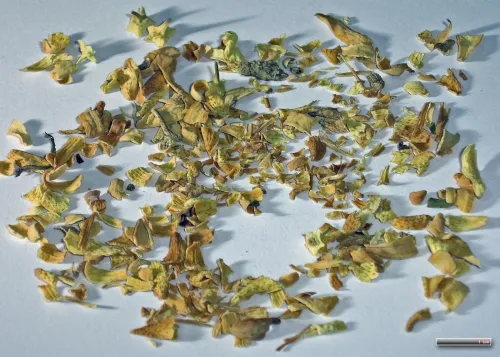
Neroli essential oil, steam-distilled from the blossoms of the bitter orange tree (Citrus aurantium), is one of the most exquisite and therapeutically powerful aromatic materials in natural perfumery and aromatherapy. Named after the Italian Princess Anne Marie Orsini of Nerola, who popularized the fragrance in 17th-century Rome, neroli has been prized ever since for its extraordinary combination of floral complexity, skin-regenerating activity, and profoundly calming effect on the nervous system.
Key Benefits of Neroli Essential Oil
- Clinical evidence demonstrates significant anxiolytic (anti-anxiety) activity — inhaling neroli essential oil reduces cortisol levels, lowers blood pressure, and reduces anxiety scores in surgical and general population studies. (PubMed reference)
- Rich in linalool, linalyl acetate, and limonene — a trifecta of calming, anti-inflammatory, and skin-supportive aromatic compounds whose synergy is responsible for neroli's exceptional therapeutic range.
- A premier cellular regeneration oil — neroli is used in luxury anti-aging skincare for its ability to stimulate new skin cell growth, improve elasticity, and reduce the appearance of scars and stretch marks.
- One of the few essential oils clinically studied for menopausal symptoms — inhalation studies show measurable reduction in hot flashes, anxiety, and sleep disturbance with regular use.
- Provides a natural antiseptic and anti-inflammatory action on the skin — particularly suitable for sensitive, reactive, or blemish-prone complexions.
- As an aromatic, neroli sits uniquely at the intersection of citrus brightness and deep floral richness — simultaneously uplifting and calming, fresh and intimate.
- One of the most prized ingredients in classical perfumery — forming the original Eau de Cologne alongside bergamot and rosemary; its presence in any formulation signals uncompromising quality.
Neroli is the fragrance of orange blossom at its most refined and therapeutic — a botanical that soothes the anxious mind, regenerates the skin, and fills the air with one of nature's most beautiful and complex aromatic experiences. It is, simply, extraordinary.
Traditional Chinese Medicine (TCM) Perspective
Neroli (orange blossom essential oil) corresponds in TCM to the class of aromatic floral medicines that calm the Heart Spirit, move Liver Qi, and nourish the Blood through their sweet, uplifting fragrance. It is functionally related to Méi Guī Huā (玫瑰花) and Hé Huān Huā (合欢花 — Silk Tree Flower).
- TCM Classification: Aromatic flower that calms Shen and moves Qi; related to He Huan Hua (合欢花)
- Nature & Flavor (functional): Neutral to slightly cool; Sweet, slightly Pungent
- Meridians Entered (functional): Heart, Liver, Spleen
- Key TCM Actions: Calms the Heart Spirit, relieves anxiety and depression from Liver Qi stagnation, nourishes Heart Blood, harmonizes Qi and Blood, gentle antispasmodic through channel relaxation.
He Huan Hua (合欢花 — Silk Tree/Mimosa Flower), neroli's closest TCM functional analogue, is prescribed specifically for "unresolved emotional constraint, depression from suppressed feeling, and insomnia from worry." This is precisely neroli's primary aromatherapy indication — making it one of the most direct bridges between Western aromatherapy and TCM's nuanced emotional medicine system.
Inhalation studies demonstrate measurable anxiolytic and blood-pressure-lowering effects at concentrations achievable through standard aromatherapy diffusion — Cho et al. (2013) used a 0.1% inhalation exposure protocol over 5 minutes to achieve significant cortisol and anxiety reduction. For topical use, neroli is typically incorporated at 1–2% in a carrier oil for facial application (approx. 6–12 drops per 30 ml) and 2–3% for body blends — well within the IFRA-aligned safe-use threshold for this oil.
Neroli Calm & Glow Facial Serum Protocol
- Measure 30 ml of jojoba or rosehip carrier oil into a dark glass dropper bottle — both complement neroli's skin-regenerating activity.
- Add 9 drops neroli essential oil (a 1.5% dilution) — for extra skin support, add 3 drops frankincense and 3 drops lavender to complete the blend.
- Cap and roll gently to blend. Apply 3–4 drops to clean, slightly damp skin morning or evening, pressing gently into the face and neck.
- For an anxiety-relief inhalation ritual, place 3–4 drops on a cotton pad or personal inhaler and breathe slowly for 5 minutes — morning or before sleep.
- For bath use, disperse 6–8 drops in a tablespoon of whole milk or unscented bath gel before adding to running water — never add undiluted essential oil directly to bathwater.
Research note: Neroli essential oil is not a phototoxic citrus oil — unlike cold-pressed bergamot or lemon peel, steam-distilled neroli does not contain furanocoumarins in significant amounts and is generally considered safe for daytime topical use at standard dilutions. However, a patch test is always recommended before first use on facial skin.
Before you use this: Neroli essential oil must always be diluted in a carrier oil before skin application — never apply undiluted (neat) to the skin, as even this gentle oil can cause sensitization or irritation at full strength; a dilution of 1–2% (approximately 6–12 drops per 30 ml carrier) is appropriate for facial use. Perform a patch test on the inner forearm 24 hours before first use, particularly if you have sensitive or reactive skin. Neroli is generally considered one of the safer essential oils in aromatherapy, but pregnant women should consult a qualified practitioner before use, as concentrated aromatic compounds are best used cautiously during the first trimester. Keep out of reach of children and away from eyes and mucous membranes. The information on this page is for educational purposes only and does not constitute medical advice. Every person's health is unique — before incorporating any herb or botanical into your routine, especially if you are pregnant, nursing, managing a health condition, or taking prescription medications, please consult a qualified integrative health professional.


