
Main page content
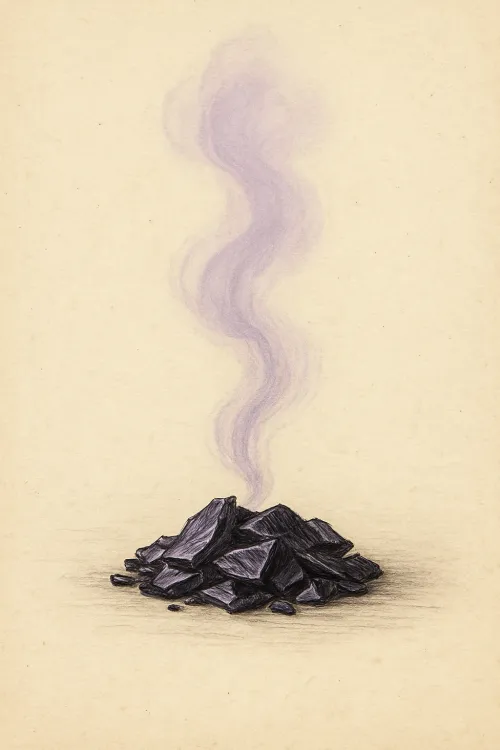
Iodine is an essential trace mineral the body cannot make and must obtain from the diet. Its single most important job is to serve as the raw material for the thyroid hormones thyroxine (T4) and triiodothyronine (T3), which set the body's metabolic rate and govern growth and brain development (Zimmermann, 2009). The ocean is the planet's great iodine reservoir, and seaweeds such as bladderwrack and kelp concentrate it more than almost any other food — which is why coastal, seaweed-eating cultures were historically spared the deficiency goiter that once plagued inland regions.
Key Benefits of Iodine
- Thyroid hormone synthesis — iodine is a structural part of T4 and T3; without it the thyroid simply cannot make the hormones that regulate metabolism (Zimmermann, 2009).
- Metabolism & energy — adequate thyroid hormone supports normal body-temperature regulation, heart rate, and energy metabolism.
- Fetal & infant brain development — sufficient maternal iodine is critical for neurodevelopment; deficiency in pregnancy is the leading preventable cause of intellectual impairment worldwide (Zimmermann, Lancet 2008).
- Prevents deficiency goiter — restoring iodine through iodized salt and seaweed reverses the thyroid enlargement caused by chronic shortfall (WHO).
Iodine is one of the best-studied micronutrients in public health — the WHO credits universal salt iodization as one of the most successful nutrition interventions of the past century. The key, though, is sufficiency, not excess (see the cautions below).
Traditional Chinese Medicine (TCM) Perspective
Iodine as an isolated element has no place in the classical pharmacopoeia, but its richest natural carriers — the seaweeds Kun Bu (昆布, kelp/Laminaria) and Hai Zao (海藻, Sargassum) — were used for over a thousand years to treat goiter and neck swellings: the very conditions we now know stem from iodine deficiency.
- Chinese Names: Kun Bu (昆布) & Hai Zao (海藻) — kelp and sargassum
- Nature & Flavor: Cold; Salty
- Meridians Entered: Liver, Stomach, Kidney
- Key TCM Actions: Softens hardness and dissolves masses, resolves phlegm, and reduces goiter, swellings, and nodules — the salty flavor “softens what is hard.”
That classical pairing is one of history's most striking cases of empirical medicine anticipating modern science: centuries before iodine was isolated in 1811, Chinese physicians were already treating goiter with the most iodine-dense foods on earth.
Authoritative intakes (U.S. Institute of Medicine; NIH Office of Dietary Supplements): adults need 150 µg/day, rising to 220 µg in pregnancy and 290 µg while breastfeeding. The Tolerable Upper Intake Level for adults is 1,100 µg/day — and both too little and too much iodine can trigger thyroid dysfunction (Leung & Braverman, 2014).
Getting iodine from whole foods
- Reliable everyday sources: iodized salt, dairy, eggs, and saltwater fish.
- Seaweed is the most concentrated source — and the most unpredictable. A single gram of kelp (kombu) can supply many times the daily requirement, and some products exceed the upper limit in one serving (Zava & Zava, 2011).
- If you use seaweed such as bladderwrack or kelp, treat it as a supplement, not a salad green: small, measured amounts, and choose products with a tested iodine content per serving.
Research note: with iodine, “more” is not better. Dosing far above the RDA — common with high-dose kelp tablets — can paradoxically cause both hyper- and hypothyroidism, especially in people with underlying thyroid conditions.
Before you use this: Iodine has a narrow safe range. If you have a thyroid condition — Hashimoto's thyroiditis, Graves' disease, thyroid nodules, or a history of thyroid surgery — do not supplement iodine without medical supervision, as it can worsen the condition. Excess iodine (especially from high-dose kelp) can trigger both hyperthyroidism and hypothyroidism (Leung & Braverman, 2014), and it can interact with antithyroid drugs, lithium, and potassium-sparing diuretics or ACE inhibitors (with potassium iodide). Pregnant and nursing women need more iodine but should meet it through prenatal vitamins and diet rather than high-dose supplements. The information on this page is for educational purposes only and does not constitute medical advice. Every person's health is unique — before incorporating any herb or botanical into your routine, especially if you are pregnant, nursing, managing a health condition, or taking prescription medications, please consult a qualified integrative health professional.


